Crafting the Ideal Kitchen Island: Layouts, Tips, and Examples
A kitchen island can completely change how your kitchen looks and works. It adds space to prep, cook, and gather, and with the right layout, it becomes the true heart of the room.
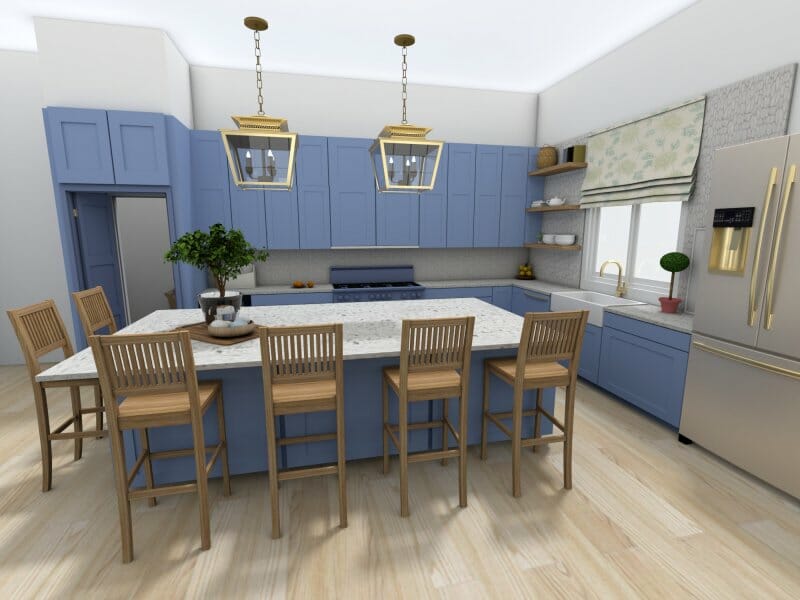

Thinking about adding a kitchen island or simply exploring different layout ideas? A kitchen island is a popular and practical choice, but it can be tricky to design. With the right planning, it becomes the heart of your kitchen, giving you extra workspace, storage, and seating.
This guide walks you through the key things to consider, from sizing and placement to style and functionality. When you are ready to try your ideas, you can explore them in the RoomSketcher Kitchen Planner.
What Is an Island Kitchen Layout?
An island kitchen layout includes a freestanding countertop in the middle of the kitchen. This extra surface can serve as a prep zone, a casual dining spot, a place to gather, or even a home for appliances and storage.

Are Kitchen Islands Out of Style?
Not at all. Kitchen islands are still one of the most popular design features and often act as the focal point of the room. They look good, work hard, and offer a ton of flexibility.
Pros and Cons of a Kitchen Island
The advantages of an island kitchen layout center around the kitchen island providing significantly more space for seating, storage, and workspace while maintaining an aesthetically pleasing appearance.
The disadvantages of an island kitchen layout center around size constrictions and budget limitations. However, with proper planning and designing, these can be avoided.
Kitchen Island Size and Dimensions
Your kitchen island should match the proportions of your room, how you plan to use the island, and what feels practical in your daily routine. Here are the key things to keep in mind:
- Kitchen size: A larger room can handle a bigger island, while a smaller kitchen benefits from something more compact.
- Seating needs: If you want bar stools, allow about 20–24 inches (50–60 cm) per person. As a guide, a 6 ft (1.8 m) island seats three people comfortably.
- Everyday practicality: Choose a width that is easy to reach across and clean. Even in a generous kitchen, an oversized island can become more cumbersome than useful.
Typical dimensions:
Most kitchen islands are around 40 by 80 inches (100–200 cm) and 36–42 inches (90–100 cm) high.
Clearance:
To keep the kitchen comfortable to move around in, plan for:
- At least 3 ft (90 cm) of space if there is no seating
- At least 4 ft (120 cm) if you include stools

Functionality
A well-planned kitchen island should support the way you cook, store, and gather. As you design your layout, think about how the island will function day to day.
- Counter space: What do you want the surface to be used for? Prep work, serving, baking, and casual meals all require different amounts of space.
- Storage: Decide how much storage you need. You can dedicate one side to cabinets and drawers, add open shelves, or keep it simple with minimal storage.
- Food preparation: Consider how the island fits into your kitchen workflow. If you follow a kitchen work triangle (sink, stove, refrigerator), make sure the island supports this setup rather than interrupting it.
- Seating: Think about how many people you want to seat and where. You can have stools along one side, wrap seating around two sides, or create an all-around seating island for a more social space.
Thinking through these points helps you create an island that looks good and works well for your daily routine.
Island Kitchen Layouts
There are several different directions you can go with your island kitchen layout. We will look at four of the most popular kitchen island layout ideas and help you visualize how they might work for you.
L-Shaped Kitchen With Island
Adds a central workspace and creates a natural gathering point without interrupting the main counters.

U-Shaped Kitchen With Island
Works well in larger rooms and gives you plenty of storage and prep space on all sides.

Single Wall Kitchen With Island
A smart solution for open-plan spaces where the island acts as both a workspace and a visual divider.

Galley Kitchen With Island
Best for wider galley layouts. The island adds storage and prep space while keeping a clean, efficient workflow.

Kitchen Island Styles
The style of an island kitchen layout can vary, and depends on the overall interior design of your kitchen and home.. Here are three unique and aesthetically-pleasing styles to consider for additional kitchen island ideas.
Furniture Style
A furniture-style island kitchen layout adds warmth, style, and detail to the kitchen. You can create a furniture style by repurposing a piece of furniture to function as an island kitchen, or by simply adding some furniture-inspired detail to the island.

Waterfall Edge
A waterfall edge on an island kitchen countertop is considered a modern-day touch to a timeless style. In a classic countertop, the edge of the countertop ends with an abrupt finish. A waterfall edge is where the countertop continues toward the floor, down the side of the countertop to create the waterfall appearance.

Countertop Riser (two-tier)
A countertop riser can add even more space to an already spacious island kitchen layout. A countertop riser is like a raised bar top, built off of the island countertop.

Should The Kitchen Island Be A Different Color Than The Cabinets?
Once you’ve made progress in designing your island kitchen layout, it is time to consider your color scheme. The most obvious direction is to match the island with the cabinets. Selecting a contrasting color for the island will make it more of a focal point and add personality to the kitchen.

Kitchen Island Shapes
A rectangular island is arguably one of the most popular kitchen island layout ideas. This isn’t the only option, however. The shape of your island kitchen can entirely set the tone of the kitchen. Below are some examples of different kitchen island shapes for further inspiration.
Circular
Softens the look of the kitchen and encourages easy movement around the island. Great for social spaces.

Square
Works well in compact kitchens and offers a balanced, symmetrical feel.

Rectangular
The classic choice. Ideal for long prep areas, seating, or a mix of both.

Irregular-Shaped Island
Island kitchen shapes can take many forms. You can make your island any shape you desire, and with the proper surrounding aesthetics, it could work quite well.

The Next Step to Bringing These Kitchen Island Layout Ideas to Life
At this point, we hope you have more inspiration for kitchen island layout ideas. A kitchen with an island serves as an incredibly popular and practical choice for any kitchen design. Just remember to consider the functionality of the island, your kitchen proportions, and your desired seating arrangement when you begin creating your design.
If you have, in fact, gained some inspiration and motivation to design your own kitchen island, you can try our Kitchen Planner to visualize your project. Layout the size, dimensions, and style - finally, view your design in 3D.
Recommended Reads

Peninsula Kitchen Layout Ideas for Your Next Remodel Project
See why a peninsula kitchen layout might be perfect for your next remodel. We go through all the pros and cons, and beautiful design ideas.

6 Tips For Designing an L-Shaped Kitchen Layout
We have put together 6 tips to help you create the perfect L-shaped kitchen layout.

5 Ways to Make the Most of a U-shaped Kitchen
The U-shaped layout is one of the most popular for good reason. All the tips you need to make the most out of your u-shaped kitchen layout.