Tiny Houses: Smart Design Ideas for Small-Space Living
Tiny houses make it possible to live comfortably in a small footprint when the design is done right. With smart planning, you can turn limited square footage into a functional home.
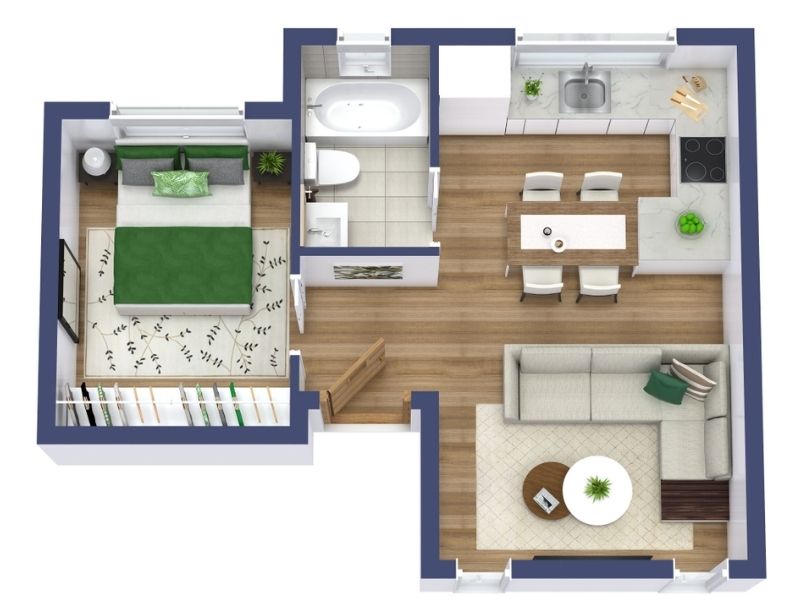

💡Article Summary:
Tiny houses offer comfortable living in small spaces through smart design. They appeal for affordability, sustainability, and flexible layouts that are tailored to everyday routines. Careful floor planning optimizes kitchens, bathrooms, and sleeping areas while maximizing storage and functionality.
Want to start planning your tiny house, or just interested in how they work and what they are? In this blog post, we'll go through what tiny houses are, how to design a tiny house floor plan, and the most effective way to visualize one.
What are Tiny Houses?

Tiny houses lean toward simple and more minimalist living. Many small houses are eco-friendly and affordable living spaces. The size of a tiny house typically ranges from 100 to 400 square feet (9 to 37 square meters), but some can be as large as 500 square feet (46 square meters).
There are different types of tiny houses; for example, they can be mobile on wheels or on a foundation.
🏠Difference between tiny houses, studio apartments, and small cabins:
- Tiny houses focus on efficient, customizable design for everyday living
- Studio apartments are fixed, urban spaces with limited layout control
- Small cabins are often recreational and less optimized for daily routines
Why People Choose Tiny House Living
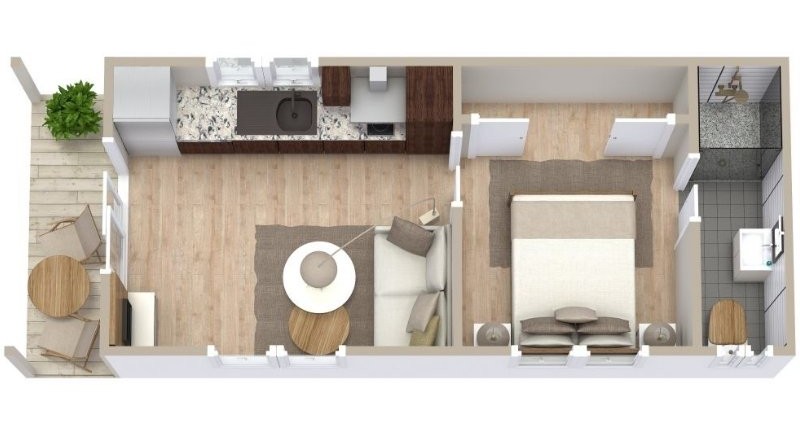
There are several reasons why people choose to downsize their homes. Here are some of them:
1. Lower building and maintenance costs
Smaller spaces mean fewer things that need to be maintained or upgraded over time. There are fewer materials, and construction time is much shorter than for other types of homes.
It's a form of more sustainable living, as many tiny homes incorporate renewable energy, water conservation, and can be built with recycled materials. The smaller (and smarter) the space, the lower the energy consumption for heating and cooling.
2. Less clutter and simpler living
Innovative storage and multi-purpose furniture make clutter more manageable. It forces you to keep only essentials and to think about quality over quantity when downsizing. By maximizing vertical and furniture storage, it's easy to keep clutter away and make the rooms feel more spacious.
3. Easier to customize every inch of space
Tiny houses' small scales make for highly personalized and flexible design choices. You can design everything from scratch, such as the potential for mobility and flexibility. Should it be on wheels or a site-built home? Limited square footage makes intentional choices like layout, storage solutions, and hobby integration more impactful.
Potential drawbacks
Tiny houses do come with some drawbacks and sacrifices that aren't for everyone. Everything from limited personal space to accessibility challenges and legal restrictions can cause problems for some people.
Living in a tiny house comes with lifestyle adjustments and a shift in priorities. Even with smart design, storage is limited. If you love to cook or bake, a small area for a kitchen might not be enough space.
There are also some zoning and legal restrictions to be aware of. Tiny houses are not allowed everywhere. Local zoning laws, building codes, and parking rules can affect where you can live; it is important to check these regulations.
How to Design a Tiny House Floor Plan

Start by writing down the necessities so you can make a plan of what to include. How do you live your day-to-day? What do you need space for? A coffee station? A reading nook?
Prioritize the essentials such as the bathroom and kitchen area. Kitchens have some of the easiest and most creative ways for customization.
Kitchen
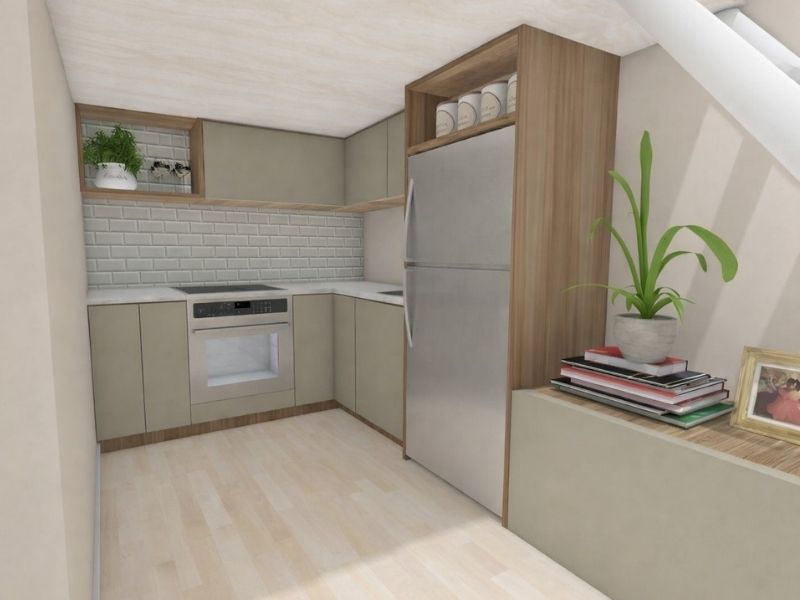
Begin with a compact and efficient layout. Choose a single-wall or galley kitchen layout to save space (L-shaped can also work). Keep the sink, stovetop, and refrigerator close together, and avoid oversized walkways that waste square footage.
Use multi-functional elements, such as installing a countertop that doubles as a dining or prep area. Use a fold-down table for extra workspace and seating. Choose appliances that combine functions like a microwave with convection cooking.
Lastly, it's a good idea to maximize vertical storage. Extend cabinets up to the ceiling, add open shelving for everyday items, and use hooks or magnetic strips for utensils and knives. This helps the countertops remain clear of clutter while keeping essentials within reach.
Bathroom

When it comes to bathrooms, the same rule applies: choose a compact but practical layout. Opt for a corner sink and a shower instead of a bathtub. For toilets, choose a compact toilet or a composting toilet. There is also the option to create a wet room, where the entire bathroom functions as one unit, with the shower connected to the sink.
For storage, a cabinet under and over the sink, as well as over the toilet, is a good option. Use mirrored cabinets for double-duty storage.
Visual choices make a big difference in small spaces, and using light colors to reflect both natural and artificial light, as well as choosing simple tile patterns or solid finishes, helps the bathroom feel larger and more relaxing. Limit decorative items to keep the space open and uncluttered.
🚪Consider Doors and Clearances Carefully
Small details often cause big problems in tiny bathrooms.
- Use sliding or pocket doors instead of swinging doors
- Check that shower doors and cabinets can open fully
- Allow enough space to move comfortably
Bedroom and sleeping arrangements
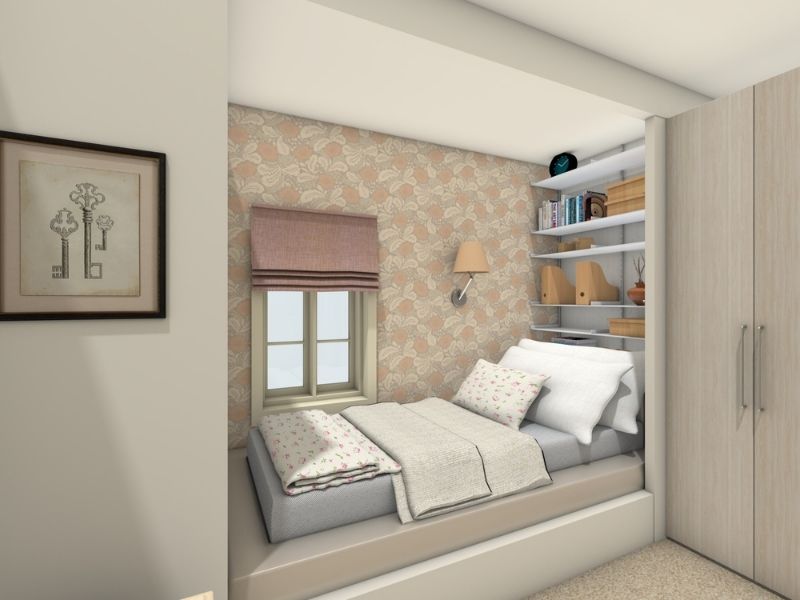
A well-designed sleeping area makes your tiny house feel calm and practical.
The layout sets the tone for how comfortable the space feels at night and during the day. You can use a sleeping loft to free up main-floor space, place the bed on the main level if stairs or ladders are not ideal. You can also consider a raised platform bed with storage underneath.
🛌Multi-Purposed Sleeping Solutions
Sleeping areas often need to do more than one job:
- Install a Murphy bed that folds away during the day
- Use a sofa bed for flexible guest sleeping
- Choose a daybed that works for lounging and sleeping
The sleeping area is also a great place to maximize storage. This can be done by incorporating drawers into bed platforms, adding shelving at the head of the bed, or utilizing wall-mounted nightstands instead of floor units.
Smart Layout Ideas for Tiny Houses


Creating a floor plan is one of the most effective ways to make sure everything you need actually fits in a tiny house. When you work with accurate measurements from the start, it's easier to avoid layout mistakes and wasted space.
A floor plan lets you test ideas early and see how your space works before you build or renovate. As you plan, keep these layout principles in mind:
- Open floor plans help small spaces feel larger and less crowded
- Lofted sleeping areas free up valuable floor space
- Multi-purpose rooms allow one area to serve different needs during the day
- Built-in storage under stairs, seating, and beds help reduce clutter
Using floor plan software such as RoomSketcher to create the floor plan layout is the best way to make sure everything you need will fit in your new living space.
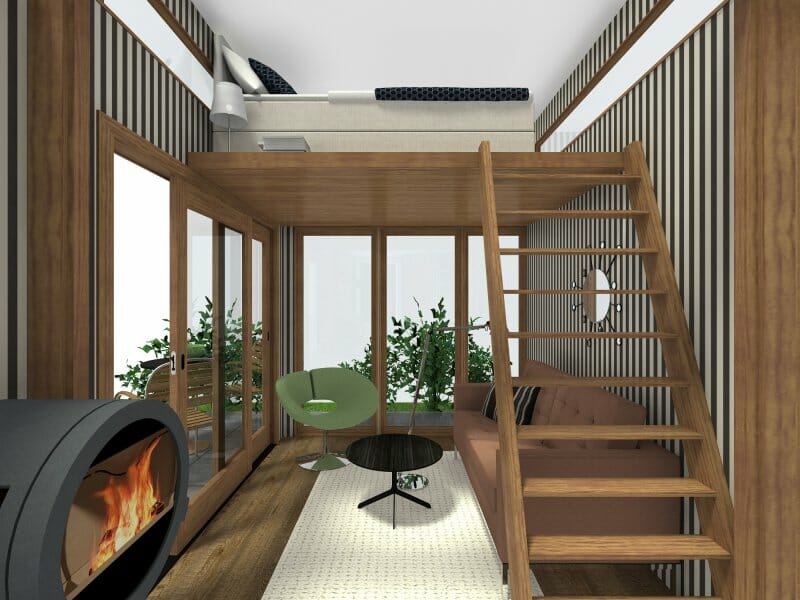
Visualizing Before You Build
Once your layout is in place, visualizing it makes a big difference. With RoomSketcher, you can view your floor plan in 2D and 3D using Live 3D, 3D Photos, and 360 Views, so you can understand how the space will actually look and feel.
This makes it easy to fine-tune details like measurements, furniture placements, colors, and fixtures before you commit. Seeing the full layout ahead of time helps you spot issues early and feel more confident in your design decisions.
Tiny houses can feel spacious, comfortable, and personal when they're planned with care. A clear floor plan helps make the most of every square foot, or square meter.
Frequently Asked Questions (FAQ)
A well-built tiny house can last anywhere from 20 to 50 years or more. It all depends on the type of materials you use and the construction quality.
A well-built mobile home can last between 30 and 50 years with proper care.
A home built on a foundation can last more than 50 years.
That being said, many can last even longer if you take good care of your tiny house.
Yes, you can. However, it depends on local zoning laws, building codes, and the home's classification. Before deciding to live in a tiny home permanently, it is important to check local regulations regarding tiny homes.
A poured cement foundation is the most sturdy foundation. They require minimal ongoing maintenance and can last up to 100 years if constructed correctly.
Another alternative is a gravel path. These are the most popular choices as they are easy to install and low-cost. They do require more maintenance than a cement foundation, but they are praised for their easy drainage, eliminating the need for additional drainage systems.
Recommended Reads
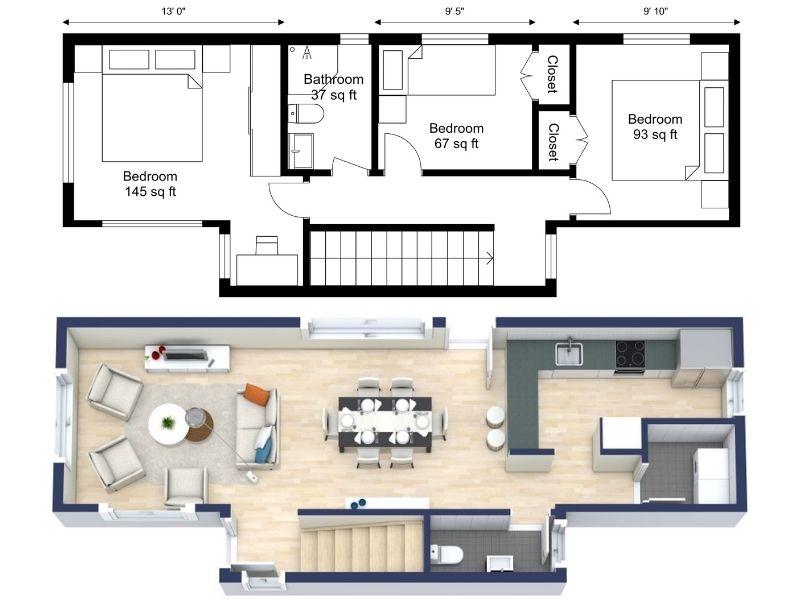
Small House Plans: Sizes, Layouts, and Key Benefits
Learn what counts as a small house plan, how different size ranges compare, and why these compact homes feel anything but cramped. We’ll walk through common layouts, typical square footage, and their benefits.
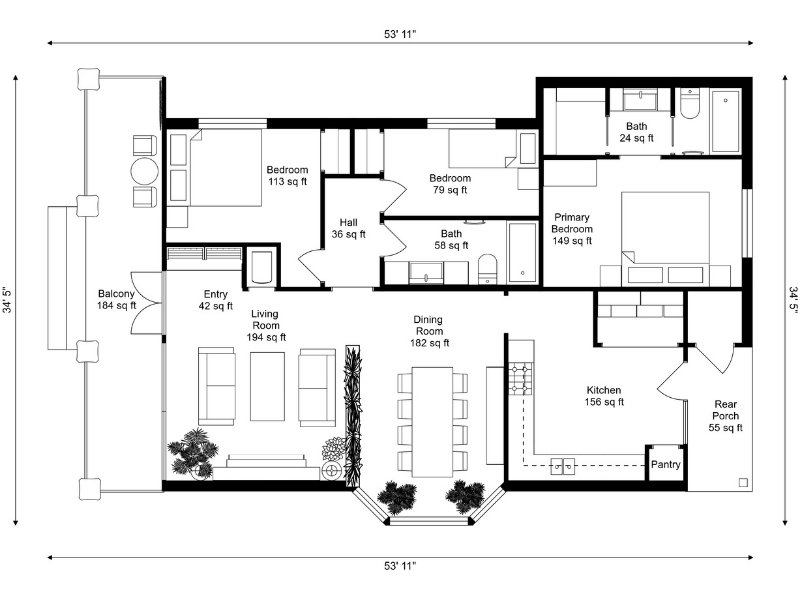
How to Create a Floor Plan for Your House
Every home project needs a floor plan, but the best way to create one depends on what you’re starting with. Here’s how to go from an old plan, an existing space, or a blank site to a clear layout.
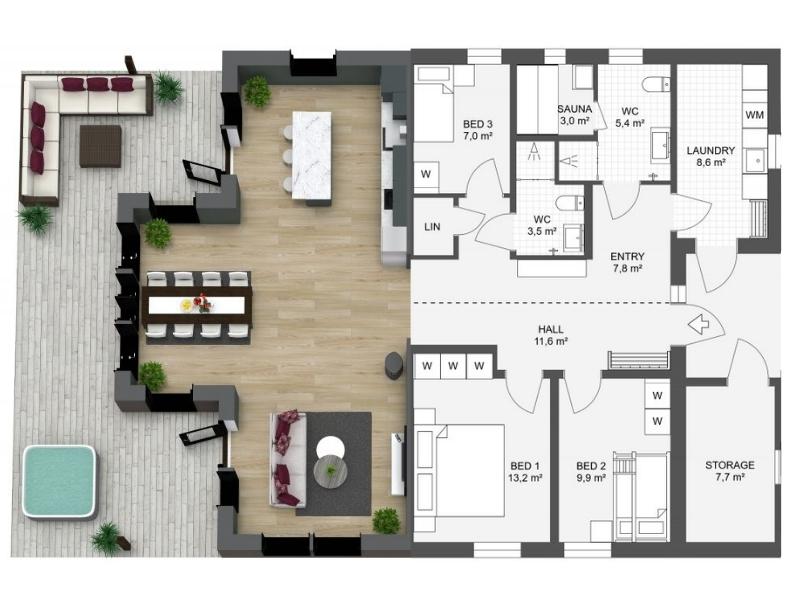
The 8 Best Floor Plan Software Tools (2026 Update)
The market is flooded with floor plan software options, each promising to make your processes easier and more efficient. We've put the top tools to the test!