Front and Side Yards That Boost Curb Appeal
Curb appeal starts outside, long before the front door opens. With the right front and side yard plan, you can shape your outdoor space into something that feels welcoming, practical, and intentional.
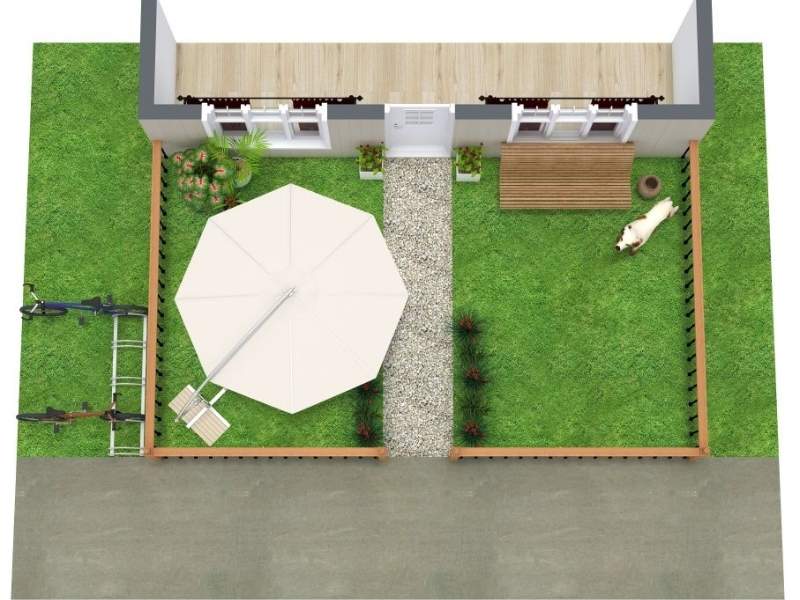

A well-designed front and side yard makes your home feel welcoming before anyone steps inside. With a simple plan, even small or narrow outdoor spaces can feel intentional and easy to use. The key is thinking about how people move through the space and how each area supports everyday life.
Designing your yard works best when you start with structure, then layer in plants, paths, and details.
Set the Tone With a Welcoming Front Yard
The front yard sets expectations. It signals how the home is used and how it feels.
A clear pathway is often the starting point. Stone, pavers, or gravel all work well, as long as the path feels natural to walk on. When people instinctively know where to go, the space feels calm and inviting.
💡RoomSketcher Tip
Watch how people already walk across your yard. If everyone cuts the same corner, that’s probably where the path should be.
A lawn can act as a visual base, especially in climates where water is readily available. Clean edges and regular maintenance do more for curb appeal than adding more plants. Flower beds along the house or path edges add color and soften hard lines without overwhelming the space.
Shrubs and trees bring balance. Smaller trees frame the house, while shrubs help guide the eye and define borders. Native plants are often the easiest choice since they’re adapted to local conditions and usually require less upkeep.
The front yard works best when it feels clear and readable, not crowded.
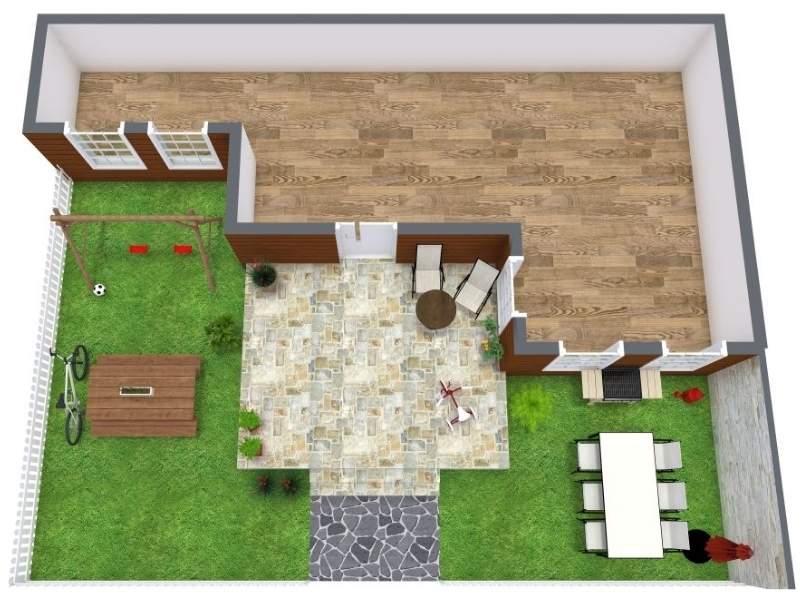
Design With Climate in Mind
Your local climate should guide most of your choices.
In dry or water-restricted areas, drought-tolerant plants, gravel surfaces, and mulched beds create a clean, modern look while reducing water use. Collecting rainwater for irrigation is another practical step that supports long-term maintenance.
❌Common Mistake
Mixing high-water and low-water plants in the same area. It makes watering harder and often leads to uneven growth.
When your plant choices match your climate, the yard stays healthier with less effort.
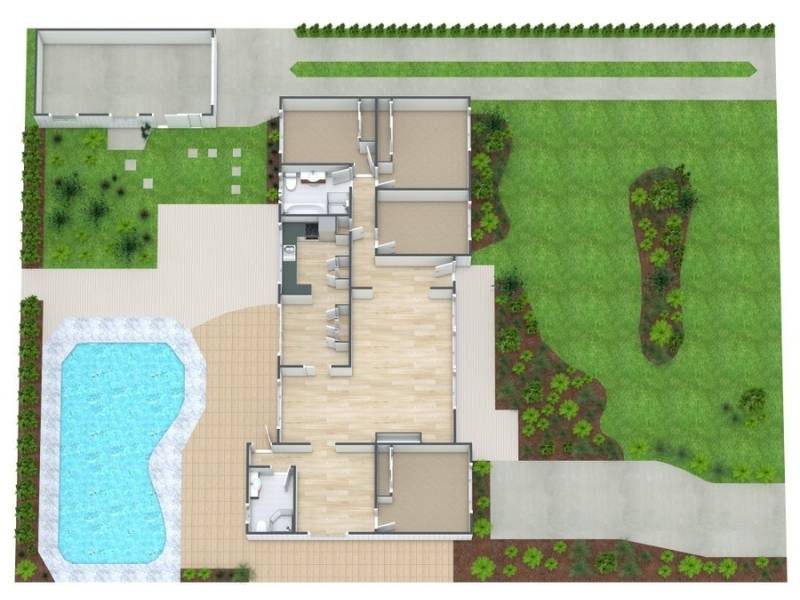
Use Lighting to Add Safety and Atmosphere
Lighting changes how your yard feels after dark.
Path lighting helps people move safely, while soft lighting around trees or planting beds adds depth. Near entrances, functional lighting is essential, but it can still feel warm and welcoming.
Use fewer lights, placed thoughtfully, rather than many bright fixtures. Subtle lighting usually looks better and feels calmer.
Good lighting should guide people without drawing attention to itself.
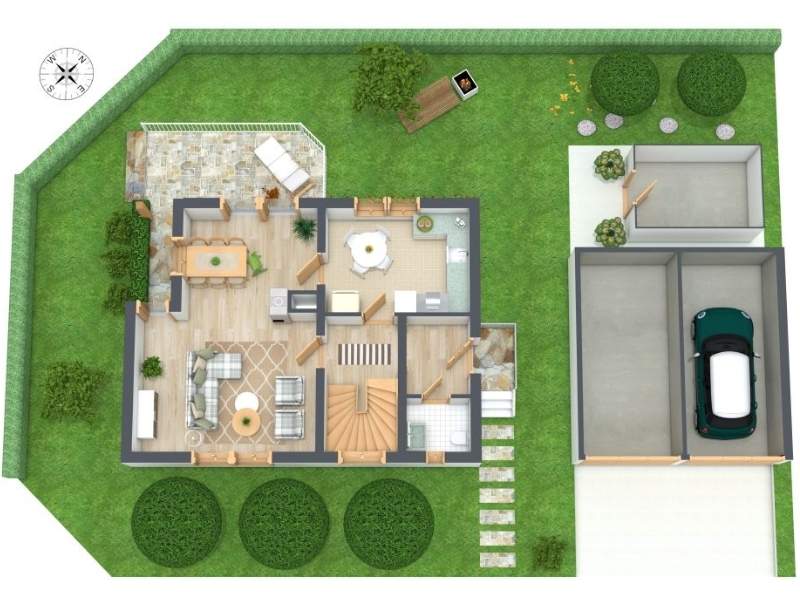
Turn the Side Yard Into a Useful Space
Side yards are often overlooked, but they’re full of potential.
If there’s room, a small seating area can turn the side yard into a quiet spot for reading or relaxing. Even a single bench can give the space a purpose.
Vertical gardening works especially well here. Trellises and wall-mounted planters add greenery without taking up floor space, and they help create privacy along fences or walls.
If your side yard is narrow: Focus on one function. Storage, planting, or seating works better than trying to fit everything in.
Storage also fits naturally in side yards. A compact shed, bike storage, or a potting table keeps outdoor items organized while staying out of sight. Choose materials and colors that match your home so the space feels intentional.
Side yards work best when they have one clear role.
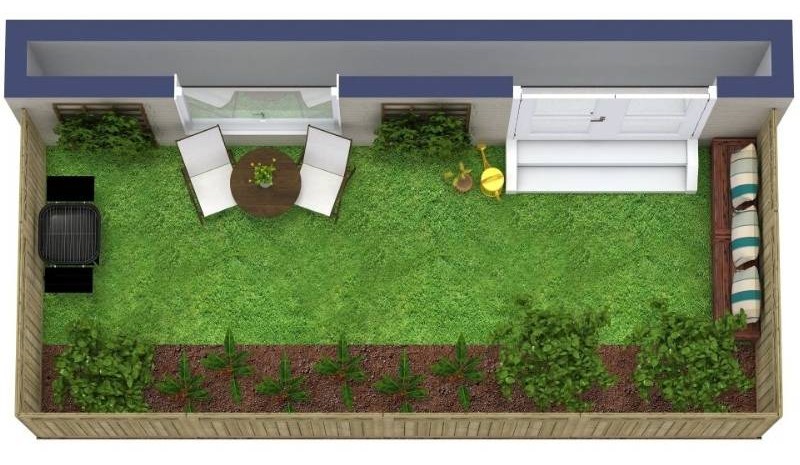

Plan Before You Build
Seeing your yard on paper makes design decisions easier. With RoomSketcher, you can create a site plan for your front and side yard, test different layouts, and see how everything connects before you commit.
Why plan your yard with RoomSketcher:
- Visualize paths, planting zones, and structures
- Test ideas without digging or building
- Create a clear plan you can follow
Related Articles

How to Design a Backyard Garden You’ll Love
Are you thinking about adding a garden to your backyard? Before you start planting, it helps to create a simple garden design. A good plan gives you clarity on what to grow, where to place it, and how everything will work together.

What to Include on a Site Plan: 10 Essential Features
Trouble figuring out what to include on your site plan? Don’t worry! We’ve created a list of ten essential things every site plan should include.

From Patios to Pools: The Best Outdoor Living Space Ideas
RoomSketcher home design software isn’t just for indoors. You can create outdoor designs too! Get inspired and learn how to create outdoor areas, decks, patios, pools, yards, and gardens now.