Painting a Desk: 9 Creative Ideas to Amaze and Inspire
Adding a new coat of paint to an old desk is a great way to breathe life into a room. It’s also extremely easy to do and won’t break the bank.

Quick summary:
Painting a desk is an affordable way to modernize old furniture, protect its surface, and add color to your room. For the best finish, clean the desk, sand the surface, apply a suitable primer, and add thin coats of paint. These nine ideas include tonal colors, chevron and checkerboard patterns, monochrome finishes, painted legs, contrasting desktops, and small colorful details.
If you’ve decided to take the plunge and freshen up your desk, we’ve got 9 stunning designs to inspire your creativity. But first, let’s look at the benefits of painting a desk and how you can get started.
Why Paint a Desk?
Painting a desk can be fun and incredibly satisfying. Here are some great reasons to open a paint can and get your creative ideas flowing: Modernize: An old desk with a traditional style can look out of place in a modern home office. Painting your desk will give it a new lease of life and help it match the rest of your room.
- Protect: Paint not only modernizes and freshens outdated furniture but also protects it from wear and tear,making it more durable and extending its life even further.
- Add Color: Improve the overall room aesthetics by choosing a color that fits other key features. Try to stick to a maximum of three different color accents, to create a harmonious feel in the space.
- Draw Attention: If you have a unique desk with ornate features or a bold design, you. can make it the focal point of the room. Use a stand-out color to draw attention and create a beautiful centerpiece.
- Add Value: A new coat of paint adds value and makes old worn furniture more desirable. If you’re painting a desk to eventually resell, use neutral colors to appeal to a large audience.
How to Paint a Desk
Painting a desk is a manageable DIY project, even if you have not painted furniture before. The basic process has four stages: clean, sand, prime, and paint.
Start by removing the drawers, handles, and any other hardware that can be detached. Clean the desk thoroughly to remove dust, grease, wax, and dirt. Paint will not adhere properly to a dirty surface.
Lightly sand the desk to remove loose paint and create a surface the primer can grip. The amount of sanding required will depend on the existing finish and the type of paint you plan to use.
Apply a primer that is suitable for the desk material and your chosen paint. Primer can improve adhesion, cover stains, and help the final color look more even.
When painting, apply several thin coats rather than one heavy coat. Let each coat dry according to the paint manufacturer’s instructions before adding the next.
A few extra tips can help you get a cleaner result:
- Protect the floor and nearby surfaces
- Work in a well-ventilated area
- Test the color on a small hidden section first
- Use painter’s tape for straight lines and patterns
- Mark detailed designs lightly in pencil
- Allow the paint to cure before putting the desk back into regular use
Check the instructions for the specific primer and paint you choose, as preparation and drying times can vary.
9 Creative Painted Desk Ideas
If you’re still undecided about which design or color to go for, here are 9 ideas to help you get started:
1. Use different shades of one color
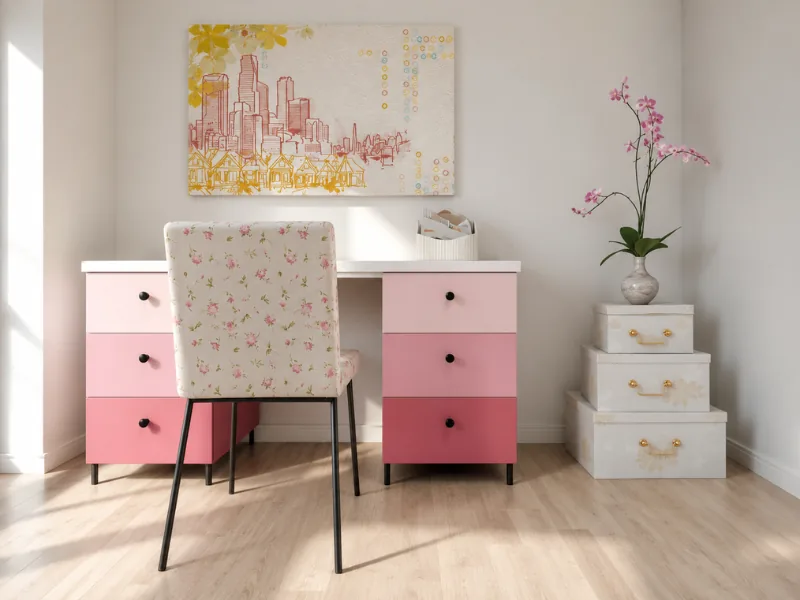
Instead of painting the entire desk in one color, use several tones from the same color family.
Soft shades of blush pink can create a warm and playful look without feeling too bold. You could use a pale shade for the main frame and gradually deeper colors for the drawers.
Repeating one of the shades on the chair or another nearby feature will help bring the workspace together.
For the most consistent result, buy coordinating shades from the same paint collection or carefully mix enough paint for the whole project before you begin.
2. Chevron worktop
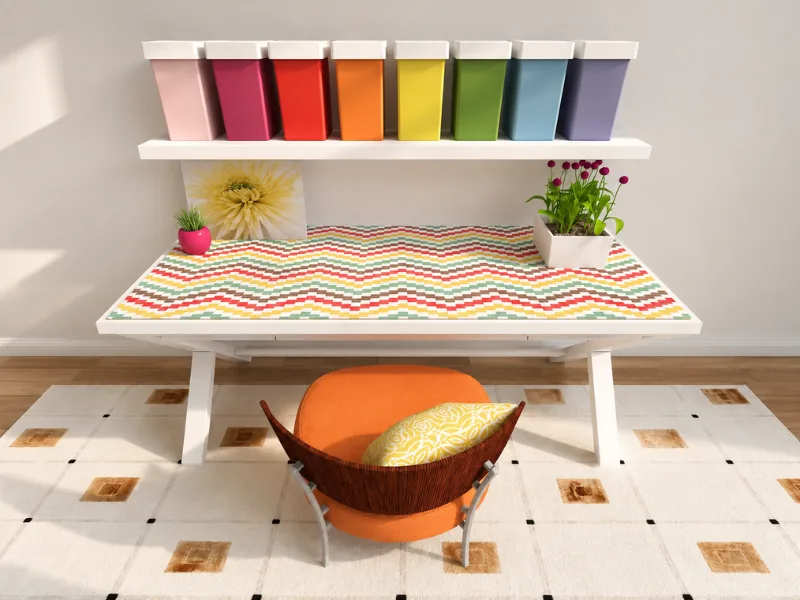
A chevron pattern can turn a plain desktop into a striking feature.
Begin by measuring and marking the zigzag pattern with a ruler and pencil. Apply painter’s tape along the lines, pressing down the edges to reduce paint bleeding.
Use two contrasting colors for a bold design or two similar tones for a softer result. Remove the tape carefully at the time recommended by the paint manufacturer.
A patterned desktop already creates plenty of visual interest, so consider keeping the legs and drawers simple.
3. Minimal monochrome
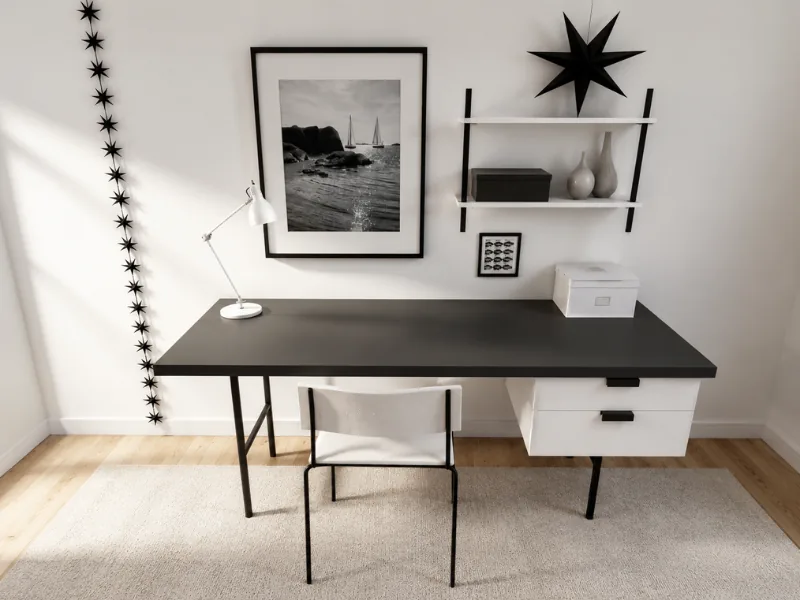
A black, white, or gray finish is a versatile choice that can work with almost any office design.
Paint the desk in one solid shade for a clean, understated look, or combine black and white to highlight different parts of the furniture.
A monochrome desk is particularly useful in a room that already has colorful artwork, accessories, or patterned walls. It updates the furniture without adding another competing color.
You can also add contrast through the hardware, such as black handles on a white desk or brushed metal handles on a dark one.
4. Checkerboard patterns
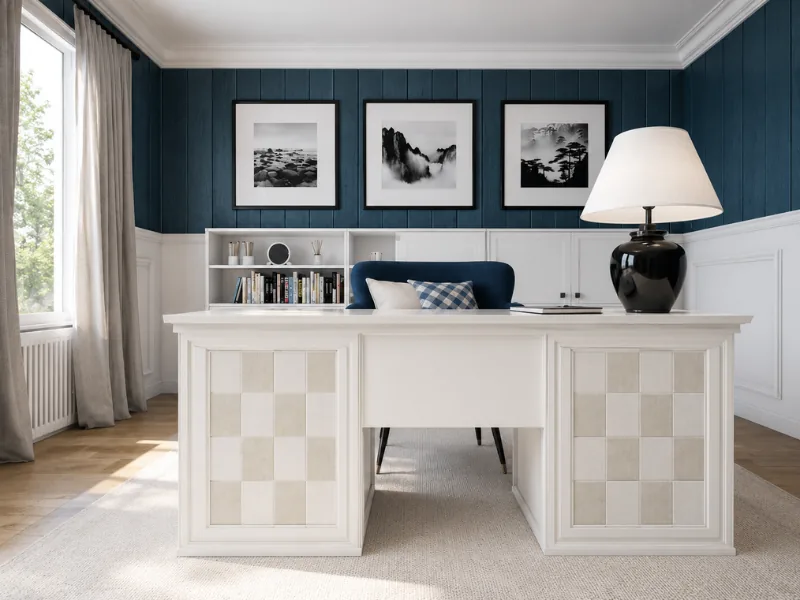
Checkerboard designs bring energy and personality to a desk.
The pattern does not have to cover the desktop. Painting it on the side, drawer fronts, or back panel can create an unexpected feature, especially when that part of the desk faces the room entrance.
Measure each square carefully and use painter’s tape to keep the edges straight. Work in stages so neighboring squares do not smudge or blend into one another.
For a more subtle version, use two shades of the same color rather than a high-contrast combination.
5. Add elegant metallic details

Metallic paint and simple decorative details can give a desk a more polished look.
Try adding gold, brass, or bronze to the legs, drawer handles, or other small features. Keeping the main body of the desk neutral allows the metallic finish to stand out without becoming overwhelming.
Stencils can also add a more detailed pattern to drawer fronts or side panels. Practice the technique on another surface first, particularly if you plan to use spray paint.
Connect the desk with the rest of the room by repeating the metallic finish in a lamp, mirror frame, or piece of artwork.
6. Paint the legs only
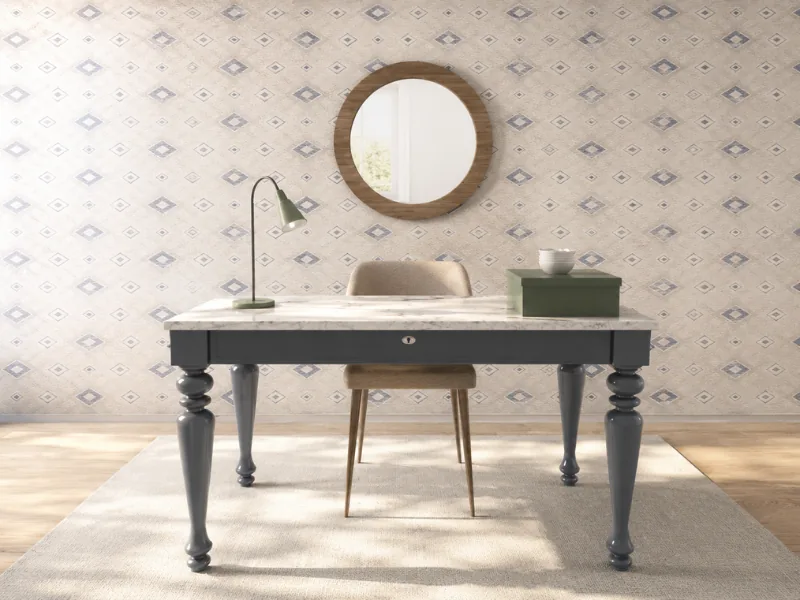
You do not need to paint the whole desk to make a noticeable change.
If the desktop is still in good condition, focus on the legs or base. A bright color can create a playful contrast with a natural wood top, while black or dark gray can give the desk a more modern feel.
This approach requires less paint and preparation than a complete makeover. It also allows you to preserve an attractive wood surface while introducing color.
Make sure the transition between the painted and unpainted areas is neat. Painter’s tape can help create a clean dividing line.
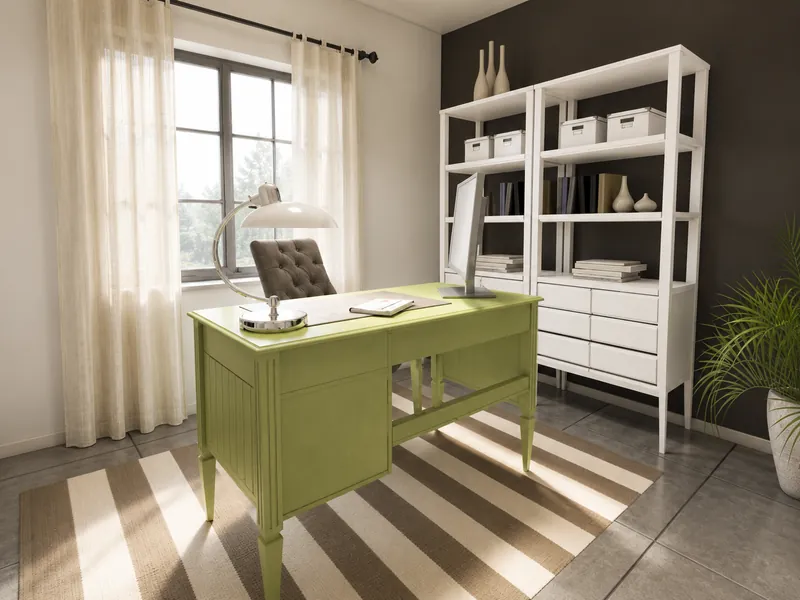
7. Create a bold centerpiece
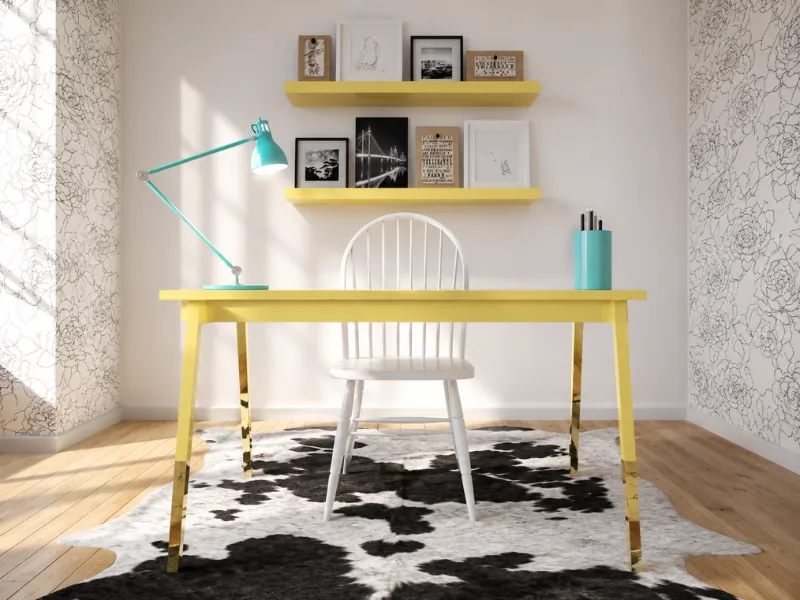
A brightly painted desk can become the focal point of a neutral home office.
Yellow, green, blue, red, or another saturated color can bring energy to a room decorated mainly in white, black, gray, or natural wood.
Keep the area around the desk relatively simple so the color has space to stand out. You can repeat it once or twice through small details, such as a cushion, print, or storage box, to make the choice feel intentional.
Test a sample first. Bold colors can look very different depending on the natural and artificial light in the room.
8. Add a contrasting worktop
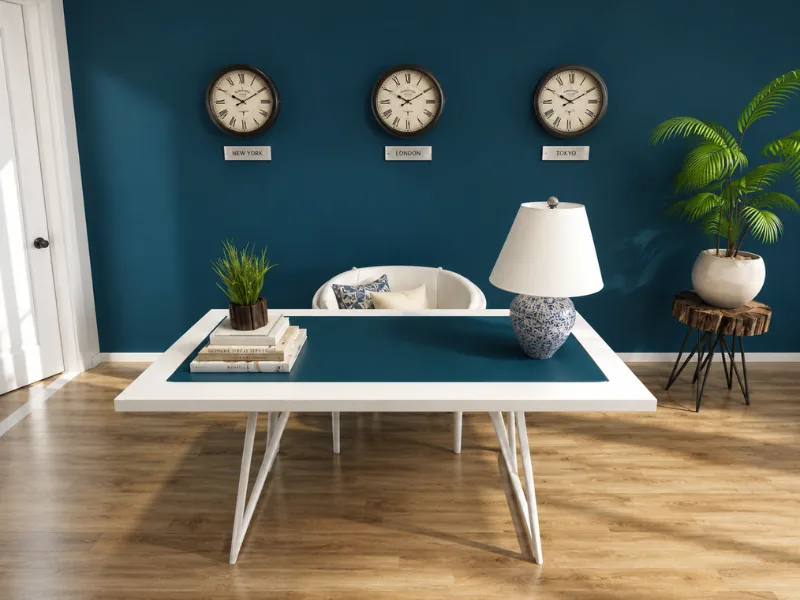
Paint the desktop in a different color from the frame and drawers.
A blue worktop on a white desk can create a clean contrast and connect with other blue details in the room. You could also combine a dark top with a lighter base or use two softer shades for a less dramatic effect.
Because the desktop receives regular wear, choose a durable paint and finish suitable for furniture. Allow it to cure fully before adding a computer, lamp, or other equipment.
A desk mat can provide extra protection while still allowing the painted surface to remain visible.
9. Try a partially painted look
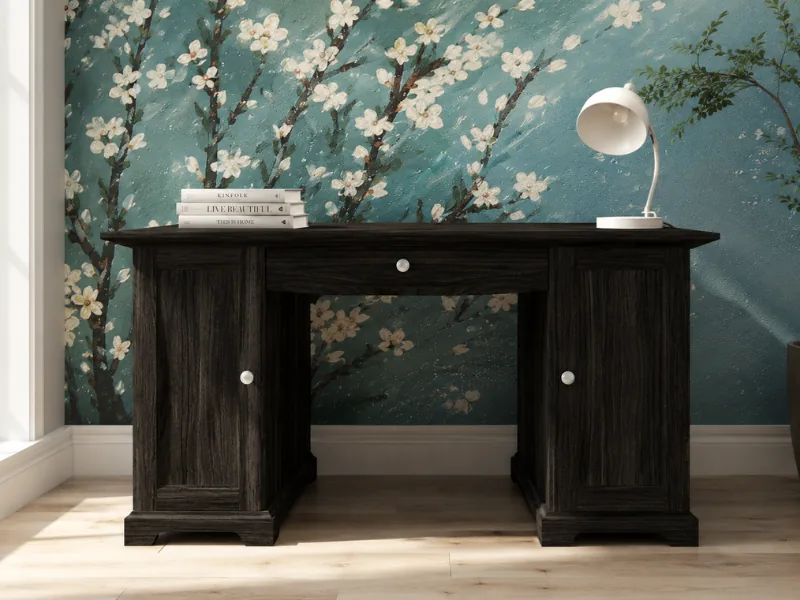
Sometimes, the smallest update makes the biggest difference.
Instead of painting the desk itself, add color to the handles, drawer edges, shelf interiors, or another small detail. Strong colors work well because they are used in limited amounts.
You can also sand and refinish the main desk to preserve the natural wood, then introduce paint through a few carefully selected features.
This is a good approach if you like the original furniture but want to give it a more personal or contemporary finish.
Plan Your Home Office with RoomSketcher
A painted desk can refresh an old piece of furniture and give your workspace a completely new focal point.
All the home office designs in this article were created with RoomSketcher. Browse our home office floor plans for layout and design inspiration, then use RoomSketcher to explore desk positions, storage, colors, and furniture before updating your space.
Frequently Asked Questions
Choose a durable furniture or cabinet paint that suits the desk material. Solid wood, veneer, laminate, and metal may need different primers and paints, so check the product instructions before starting.
Light sanding is usually recommended because it helps the primer and paint adhere. You may also need to remove peeling paint, varnish, or damaged areas. Some specialist furniture paints require less preparation, but the surface should always be clean and dry.
Yes. Clean the laminate thoroughly, lightly sand the surface, and use a bonding primer designed for smooth or nonporous materials. Test the products on a hidden area first to make sure they adhere properly.
A small foam or microfiber roller can give broad, flat surfaces a smooth finish. A brush is better for legs, edges, corners, and decorative details. Using both often gives the best result.
It depends on the paint and how heavily the desk will be used. Some furniture paints are durable without an additional finish, while others benefit from a clear protective topcoat. Follow the paint manufacturer’s recommendations.
Paint may feel dry within hours but still need several days or longer to cure fully. Follow the recommended curing time before placing a computer, monitor, or other heavy objects on the desktop.
Use a good-quality brush, avoid applying too much paint, and work in thin, even coats. Lightly sanding between coats may also help create a smoother finish.
Recommended Reads
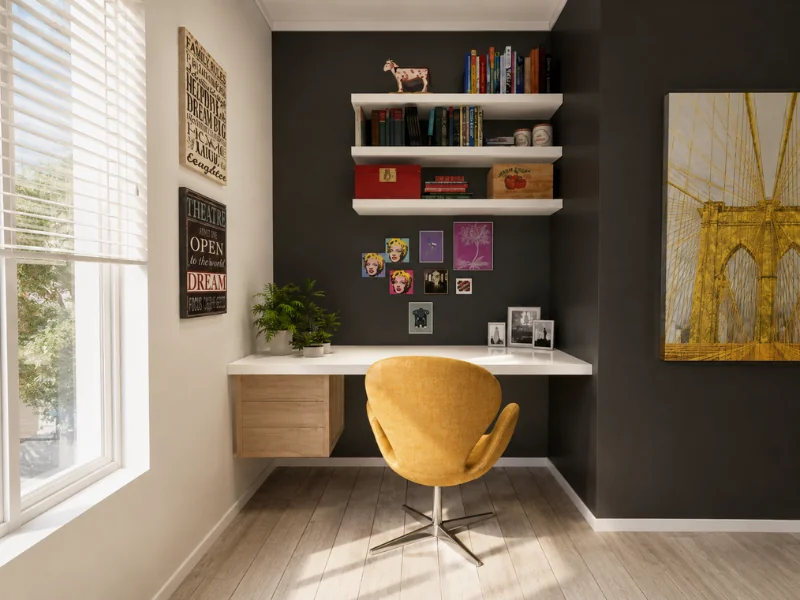
9 Tips for Creating the Perfect Built-in Home Office Desk
Looking for DIY home office ideas? Try painting a desk. Paint is a great way to give an old wooden desk a fresh updated look with modern appeal.

8 Inspiring Kitchen Desk Area Ideas
Looking for kitchen desk ideas? Learn how you can create a central command post in your kitchen with these simple kitchen desk design tips.
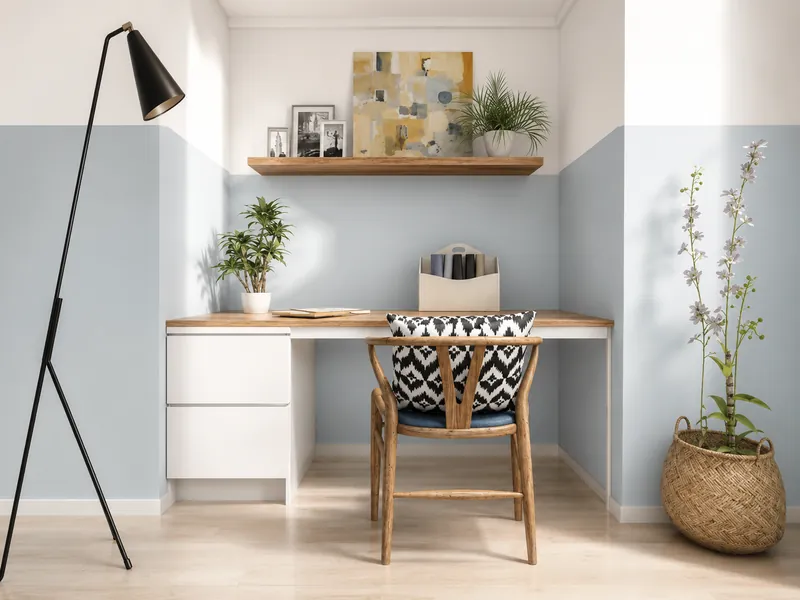
Design Your Ideal Home Office
A well-designed, functional, and beautiful home office can make your working hours more efficient and more enjoyable.