10 Small Living Room Ideas to Make the Most of Your Space
Looking for some ideas to help with a small room? It’s no surprise. Small room design can be really challenging, but it doesn’t have to be.

Quick summary:
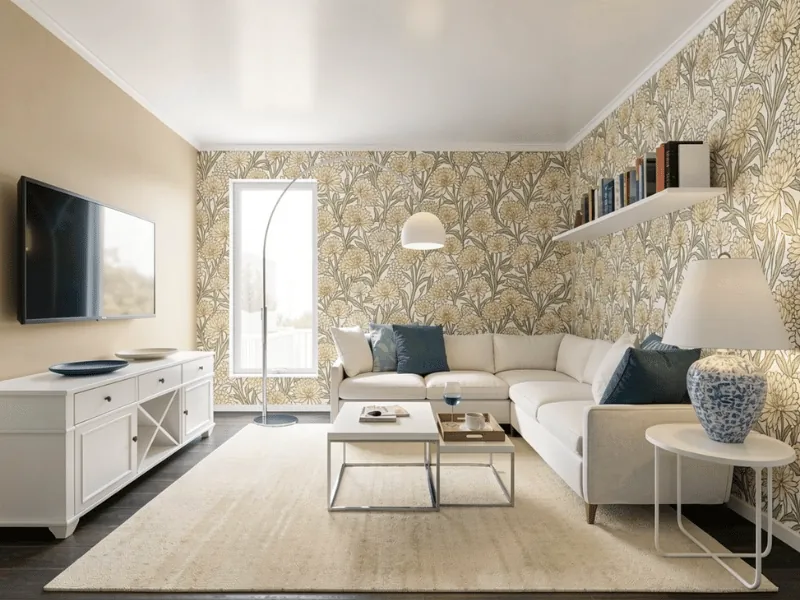
Small rooms feel bigger when they are well defined, not simply sparsely furnished. The seven ideas below cover traffic flow, creating smaller usable zones, color, balance and symmetry, multi-purpose furniture, vertical space, and decorating choices such as mirrors and artwork. Used together, they make a small room feel brighter, more open and more usable — without moving a wall.
With a little help, you can make your small rooms feel bright and inviting. The trick is knowing what works for small rooms and what doesn’t. In this article, we’ll show you small room ideas that work and how to implement them in your own home.
In this article:
1. Start with the Layout
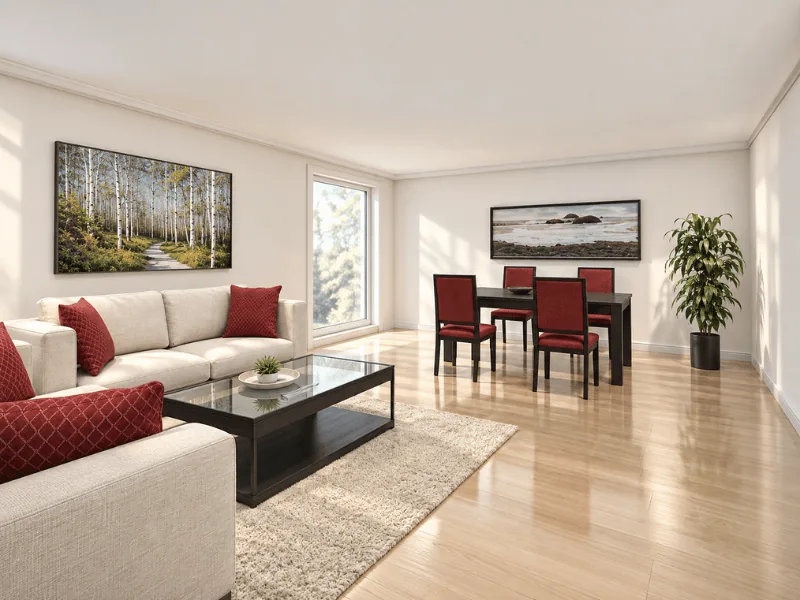
When space is limited, your furniture layout makes a big difference.
Start by thinking about what you use your living room for. Do you mainly watch TV, entertain friends, read, or use the room for several different activities? Once you know what matters most, you can give the most important furniture the best position.
In a small living room, it often helps to start with the largest piece — usually the sofa — and build the rest of the layout around it.
Try not to automatically push every piece of furniture against a wall. Sometimes that works well, but in other rooms, moving a chair or sofa slightly inward can create a more comfortable seating area.
2. Keep a Clear Path Through the Room
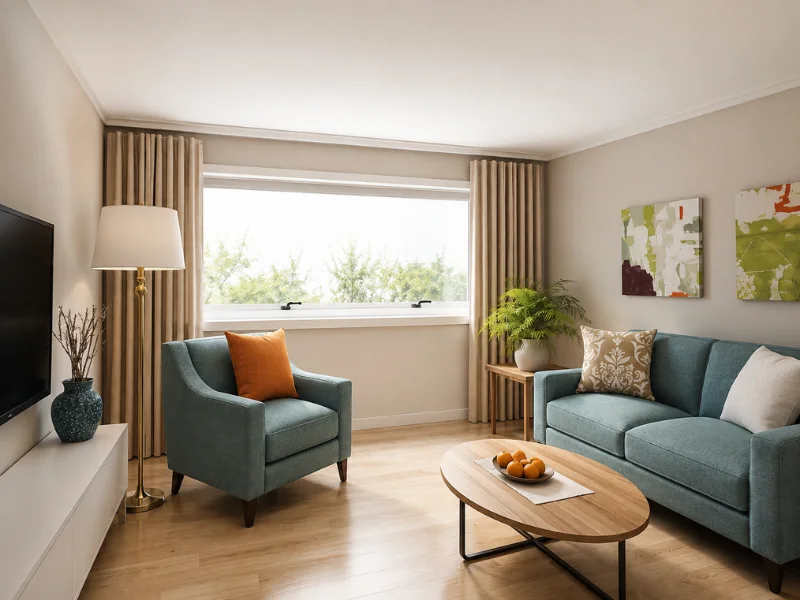
A living room feels much easier to use when you can move through it without weaving around furniture.
Look at the natural path between the entrance, sofa, windows, and any doors leading to other rooms. Keep that route as clear as possible.
A few simple changes can help:
- Keep large furniture away from doorways
- Avoid placing coffee tables or chairs in the main walkway
- Leave enough room to move comfortably between furniture
- Arrange larger pieces so they guide you through the room rather than block it
This is especially important in an open-plan living and dining room, where people may need to move through one area to reach another.
A clear layout can make even a compact living room feel calmer and easier to use.
3. Choose Furniture That Fits the Space
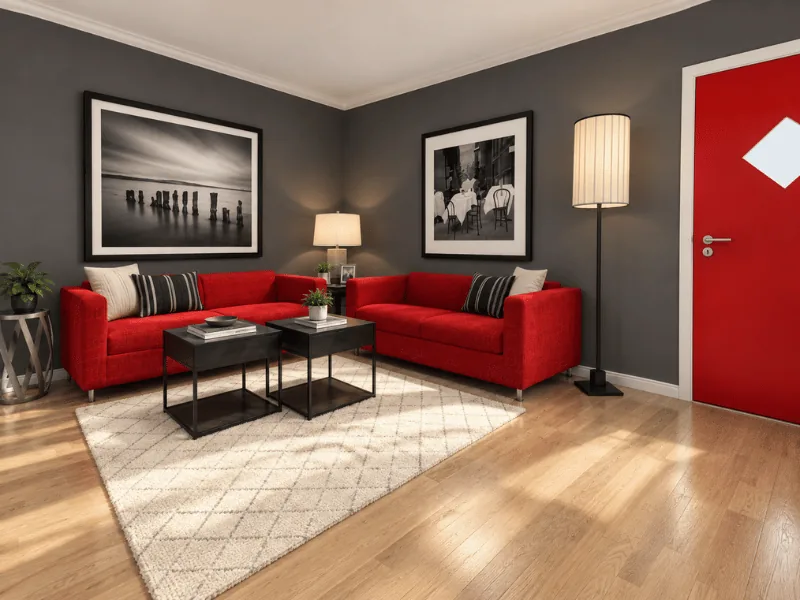
Small living rooms don't necessarily need tiny furniture. What matters is choosing pieces that suit the proportions of the room.
An oversized sectional can quickly take over a compact space, but filling the room with lots of small chairs and tables can make it feel just as crowded.
Instead, think about what you actually need.
A two- or three-seat sofa may work better than a large sectional. One comfortable armchair might be more useful than several occasional chairs. A smaller coffee table — or no coffee table at all — can free up valuable floor space.
Before buying anything new, check the measurements carefully. It can help to add the furniture to a floor plan first so you can see how much space is left around it.
4. Create Clear Zones
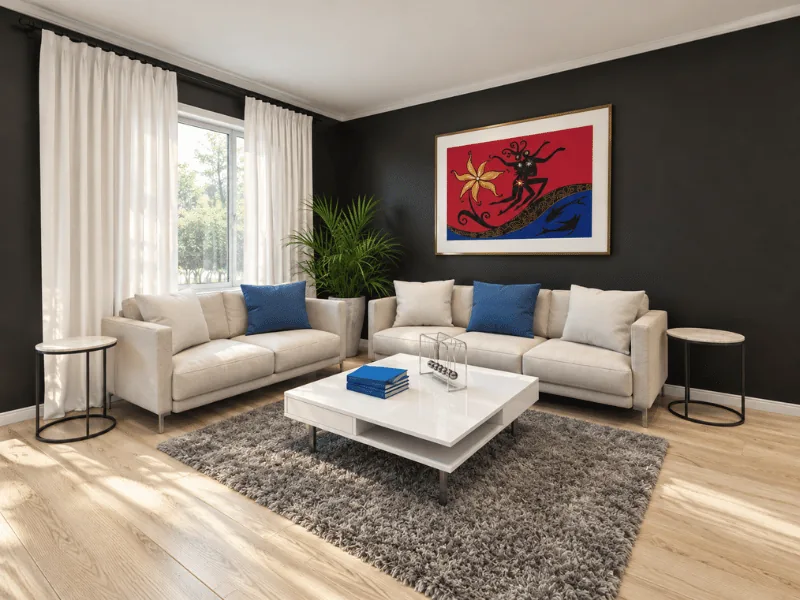
A small living room can still have more than one purpose.
You might need a seating area and a small workspace, or your living room may share space with the dining area. The key is to make each zone feel intentional without filling the room with dividers.
Furniture placement is often enough.
A rug can define the seating area, while a desk against a wall creates a simple workspace. In a combined living and dining room, the sofa itself can help separate one area from the other.
Keep the number of zones realistic for the size of the room. Two clear areas usually work better than trying to squeeze four different functions into the same space.
Recommended reading: How to choose the perfect size rug for every room.
5. Choose Furniture That Does More Than One Job
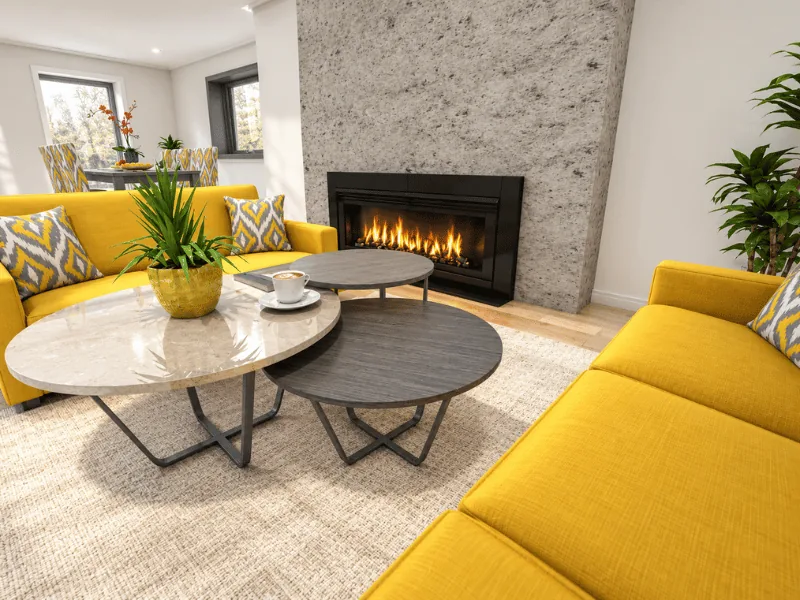
When you don't have much space, furniture that serves more than one purpose can help you do more with the room.
An ottoman can provide extra seating, act as a footrest, and sometimes offer hidden storage. A storage coffee table gives you somewhere to keep everyday items out of sight. A sofa bed can turn the living room into an occasional guest space.
You could also look for:
- Nesting tables that can be separated when you need them
- Benches with storage underneath
- Side tables with shelves or drawers
- Console tables that can double as a small desk
You don't need every piece to be multifunctional. Focus on the items that solve a real problem in your room.
6. Make Use of Your Walls
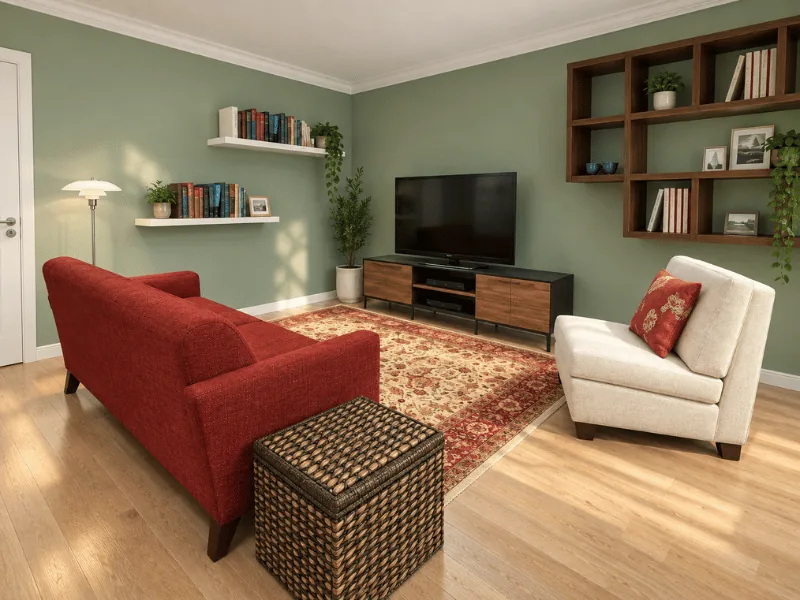
When floor space is limited, look up.
Wall-mounted shelves and storage can give you more room for books, plants, lighting, and everyday items without taking up additional floor space.
A tall bookcase can also work well, but avoid filling every wall from floor to ceiling. Too much storage can make a small living room feel heavy.
Open shelving is useful when you want storage that feels lighter. You can also mount a TV on the wall or choose wall lights instead of adding another floor or side table.
The goal isn't to fill every available surface. It's to use the space you already have more efficiently.
7. Use Color to Shape the Room
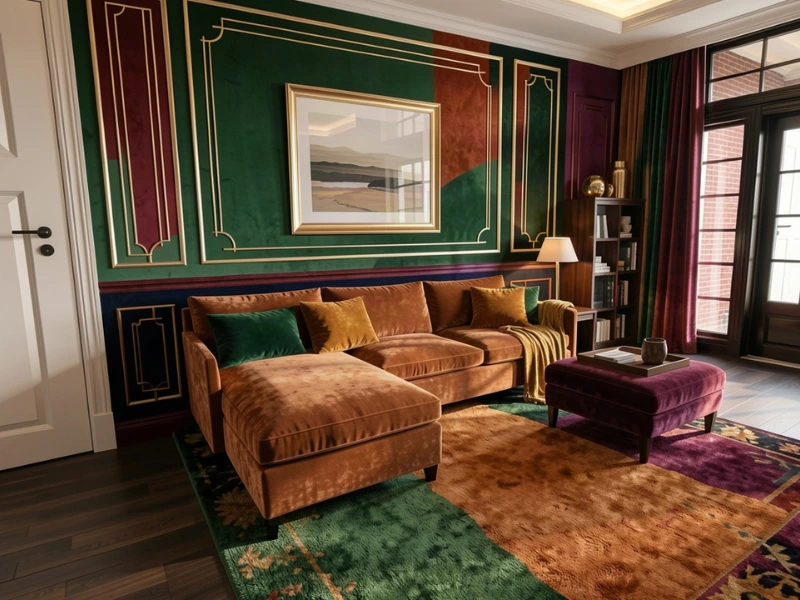
You don't have to paint a small living room white.
Light colors can create an airy look, but darker or bolder colors can work beautifully too. What matters is how you use them.
If you prefer a light room, try soft neutrals across the walls and larger furniture pieces, then add color through cushions, artwork, or an accent chair.
If you like stronger colors, consider using one wall as a focal point. A darker color on the far wall can draw the eye into the room and give the space more definition.
You can also use a darker color throughout the room for a cozier look.
Whichever direction you choose, keeping the overall color palette fairly consistent can help the room feel more put together.
8. Add Balance Without Making Everything Match
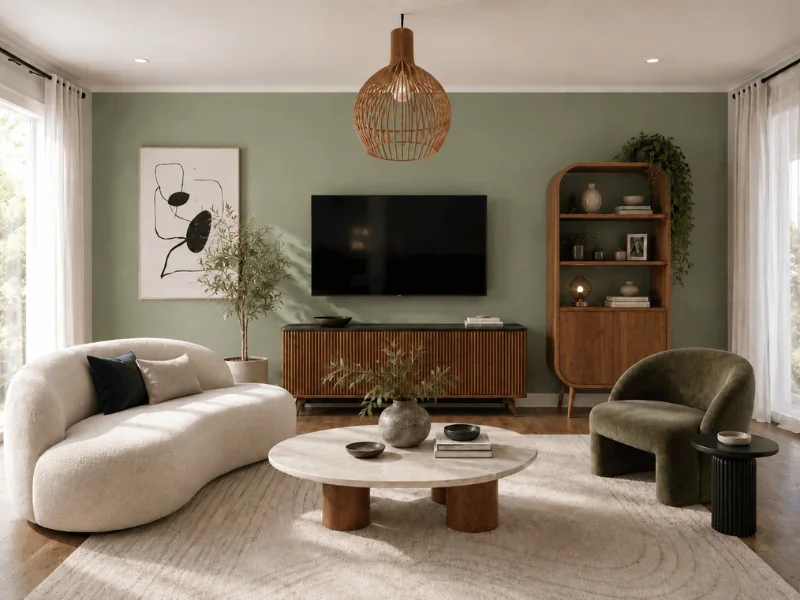
A little balance can make a small living room feel more settled.
That doesn't mean everything needs to be perfectly symmetrical.
You could place two similar chairs opposite a sofa, balance a floor lamp on one side of the room with a tall plant on the other, or use artwork to give visual weight to an otherwise empty wall.
Think about the room as a whole rather than concentrating all the furniture and decoration in one area.
You can also use contrast to create balance. If your floor is dark, for example, lighter walls, a pale rug, or lighter furniture can keep the room from feeling too heavy.
9. Use Mirrors and Lighting to Open Up the Space
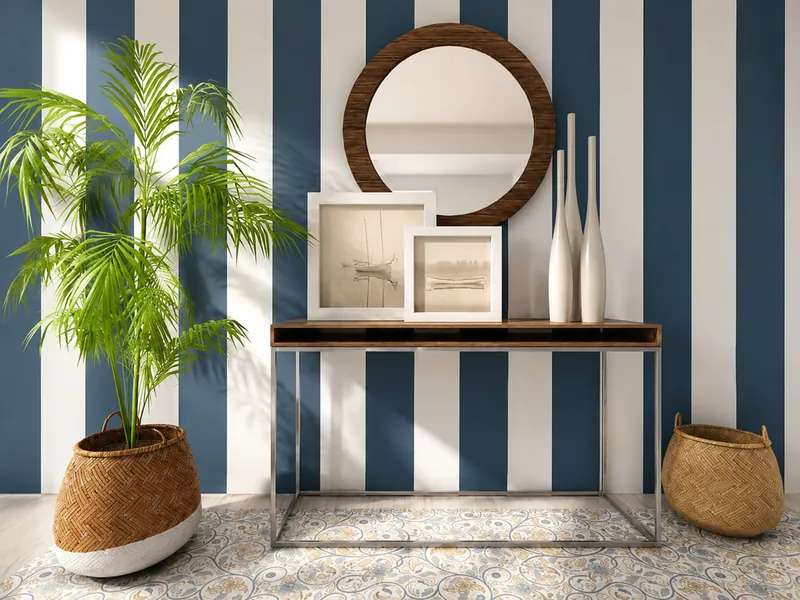
Good lighting can completely change the feel of a small living room.
Rather than relying on one central ceiling light, use a mix of lighting at different heights. A floor lamp beside the sofa, a small table lamp, or wall-mounted lights can make the room feel warmer while giving you light where you actually need it.
Mirrors can help too.
Place one where it can reflect natural light from a window or an attractive part of the room. The reflection can add depth and make the space feel more open.
You don't need a wall full of mirrors. One well-placed mirror is often enough.
10. Keep the Decor Focused
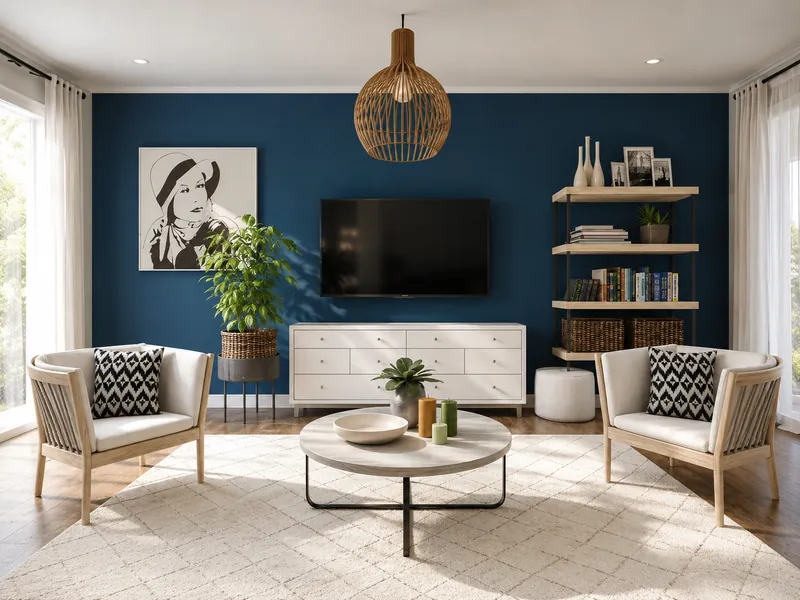
A small living room doesn't have to be minimal, but being selective helps.
Too many small decorative objects can make surfaces look busy. Instead, choose a few pieces you really like and give them room to stand out.
Larger artwork can often work better than a collection of tiny frames. A plant, sculptural lamp, or curved chair can also add interest without creating visual clutter.
Try limiting the number of accent colors you use throughout the room. Repeating one or two colors across cushions, artwork, rugs, and accessories can make everything feel connected.
Most importantly, don't fill the room simply because there's an empty corner. A little breathing room is useful too.
Test Your Living Room Ideas Before You Rearrange
Sometimes the easiest way to find the right layout is simply to try a few.
With the RoomSketcher app, you can create a floor plan of your living room, add furniture, and experiment with different layouts before moving anything in real life.
Try another sofa position. Compare different rug sizes. See whether that armchair actually fits in the corner.
You can then view your design in 3D to get a better sense of how the room will look.
How can I make a small room look bigger?
Should a small room be painted light or dark?
How do I improve traffic flow in a small room?
Can a small room serve more than one function?
What furniture works best in a small room?
Do mirrors really make a small room look bigger?
How many accent colors should I use in a small room?
Recommended Reads

12 Micro Home Floor Plans for Space Efficiency
Discover how innovative design can transform small spaces into functional and stylish homes!
8 Design Tips for Small Living Rooms
Need help with a small or narrow living room layout? Get expert tips on how to make your small living room layout functional and inviting.

5 Downsizing Tips for Small Apartment Life
Downsizing to a smaller apartment can be extremely difficult. Make the process easier by reading our top 5 tips.