Bedroom Feng Shui: 7 Tips for a Calm and Balanced Space
Create a calmer, more balanced bedroom with simple feng shui tips for bed placement, furniture, mirrors, colors, and clutter.


Quick summary:
Good bedroom feng shui starts with the layout. Place your bed where you can see the door without being directly in line with it, and choose a solid wall behind the headboard where possible. Keep pathways clear, avoid mirrors facing the bed, reduce clutter and electronics, and choose softer colors that create the mood you want. Most importantly, work with the room you have — feng shui is about balance, not following every rule perfectly.
Feng shui is all about creating spaces that feel balanced, comfortable, and supportive. And if there’s one room where that matters, it’s the bedroom.
The good news is that you don’t need to redesign your entire room or follow a long list of strict rules. A few thoughtful changes to your bed placement, furniture, colors, and clutter can help your bedroom feel calmer and more restful.

What Is Feng Shui?
Feng shui is a traditional Chinese practice based on arranging spaces to create balance and encourage a positive flow of energy, often referred to as qi.
In a bedroom, that usually means creating a layout that feels calm, secure, and comfortable. Furniture placement plays an important role, but feng shui can also influence where you place mirrors, what you keep around your bed, and even the colors you choose.
You don’t need to treat these ideas as strict rules. Think of them as guidelines you can use to look at your bedroom layout in a different way.
Here are seven feng shui bedroom tips to help you get started.
1. Place Your Bed in the Command Position
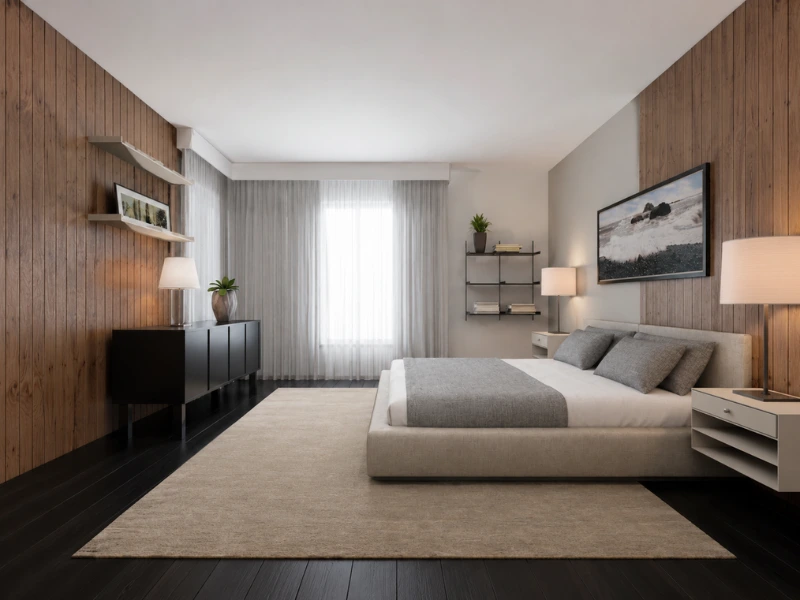
One of the best-known feng shui bedroom principles is placing your bed in the command position.
In simple terms, you should ideally be able to see the bedroom door while lying in bed without having the bed directly in line with it.
This position can make the room feel more open and secure because you have a clear view of the entrance without feeling exposed.
If your bedroom allows it:
- Position the bed diagonally across from the door
- Place the headboard against a solid wall
- Keep a clear view of the entrance
- Avoid putting the bed directly in the path of the doorway
A solid wall behind the headboard is traditionally associated with stability and support. For the same reason, feng shui generally discourages placing a bed directly beneath a window.
What if the bed has to face the door?
Not every bedroom gives you several good options.
If your bed has to sit directly opposite the door, you can create more separation between the two. A bench, nightstand, room divider, or large plant can help visually soften the direct line from the doorway to the bed.
In traditional feng shui, sleeping with your feet pointing directly toward the door is sometimes referred to as the coffin position. The name sounds dramatic, but the practical idea is simply to avoid having the bed sitting directly in the flow of the entrance whenever another layout works better.
2. Keep the Room's Natural Flow Open
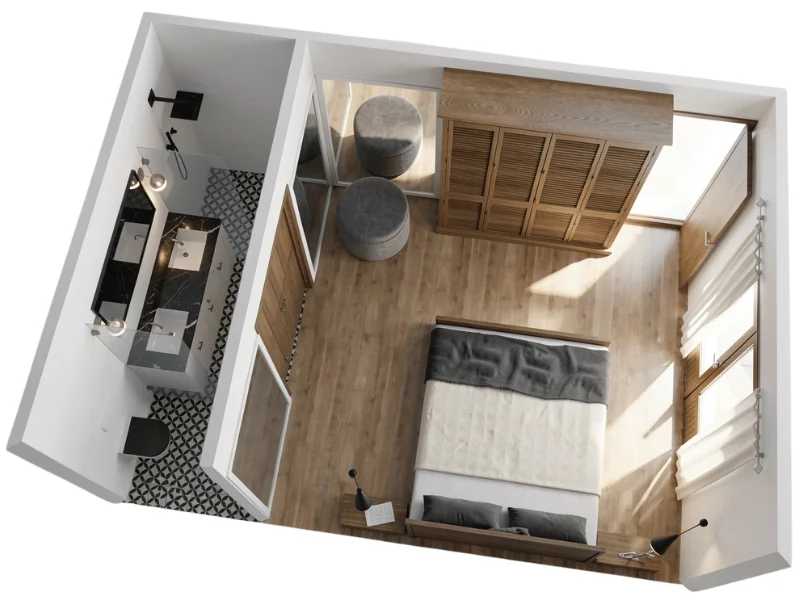
Feng shui pays a lot of attention to how energy moves through a room.
From a practical design perspective, this also means avoiding furniture arrangements that make the bedroom feel blocked or awkward to move through.
Try to keep natural pathways between doors, windows, and the bed as open as possible. You should be able to walk around the room comfortably without squeezing past furniture or navigating unnecessary obstacles.
This is especially useful in a small bedroom, where even one badly positioned piece of furniture can make the whole layout feel cramped.
3. Consider Bed Direction, but Don't Obsess Over It
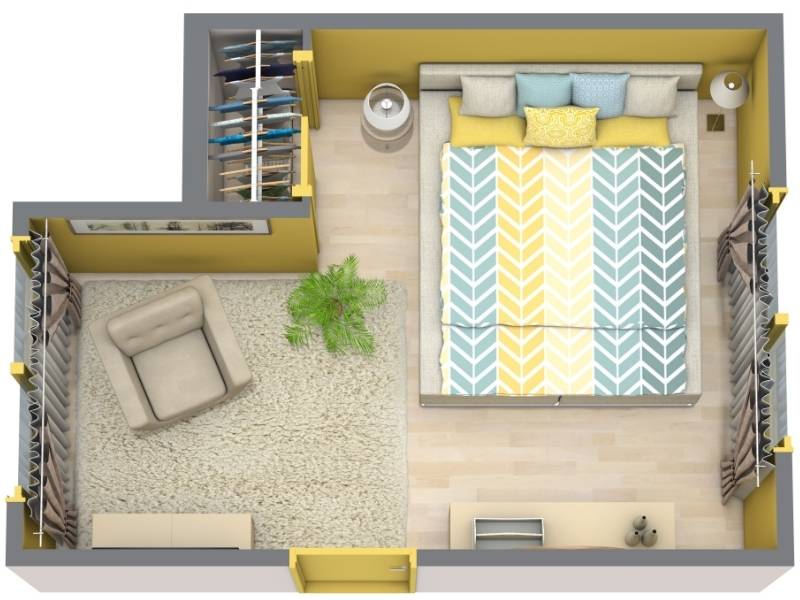
You may also come across feng shui advice about which compass direction your bed should face.
Different directions are traditionally associated with different types of energy. For example, a setup where your head points north and your feet point south is sometimes associated with warmth, rest, health, and prosperity.
But you don’t need to get the compass out before moving your bed.
Many modern approaches to feng shui put more emphasis on where the bed sits within the room than on its exact compass direction.
If you have to choose between the “right” direction and a layout with a solid wall, a good view of the door, and plenty of space to move around, the overall layout may be the more useful place to start.
4. Avoid Placing a Mirror Directly Opposite the Bed
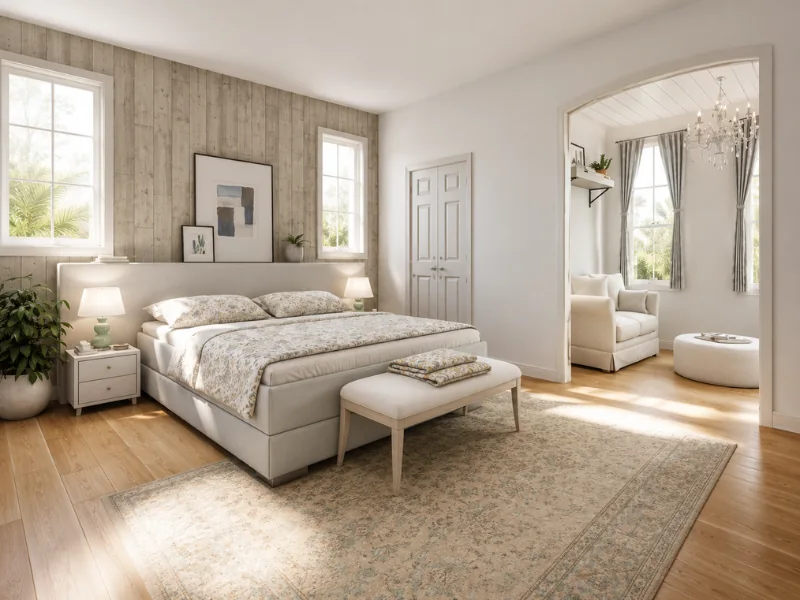
Mirrors are another important consideration in bedroom feng shui.
Traditionally, mirrors are considered active because they reflect light, movement, and energy around the room. That can work well in many spaces, but a bedroom is usually intended to feel quiet and restful.
For that reason, feng shui generally recommends avoiding a mirror that directly faces your bed.
There’s also a practical side to this advice. Reflections, changing light, or movement in a mirror can be distracting when you’re trying to relax — particularly if you wake up during the night.
You don’t need to remove every mirror from your bedroom. Instead, consider placing one where it reflects something calming, such as artwork, a plant, or another attractive part of the room.
5. Keep Clutter Away From the Bed

A clutter-free bedroom is one of the most consistent themes in feng shui.
That doesn’t mean your bedroom has to be completely minimalist. The aim is simply to create a space that feels clear rather than crowded.
Start with the areas closest to where you sleep:
- Keep nightstands relatively clear
- Avoid piles of clothes around the bed
- Make sure there’s enough space to move comfortably
- Be thoughtful about what you store underneath the bed
In traditional feng shui, clutter is thought to interrupt the flow of energy through a space. But even if you set that idea aside, reducing visual clutter can make a bedroom feel noticeably calmer.
6. Reduce Electronics Where You Can
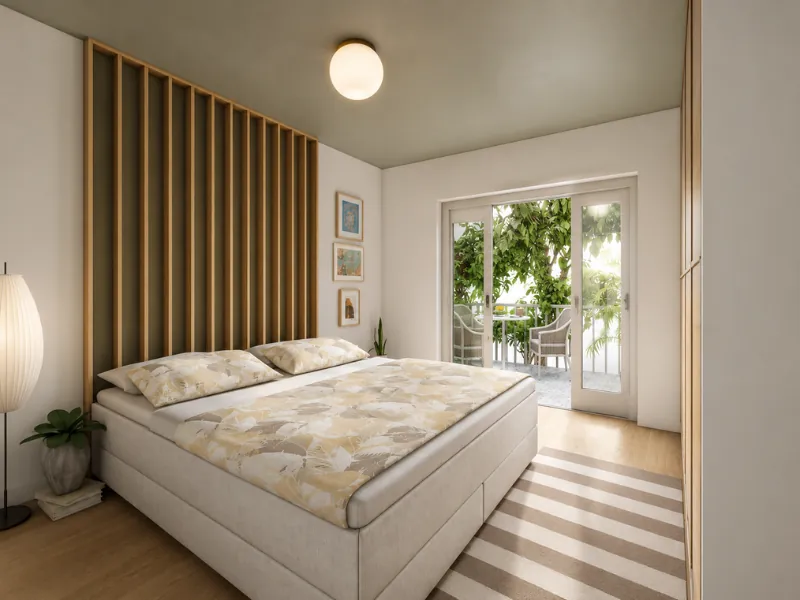
Your bedroom should make it easy to switch off, and feng shui generally recommends keeping electronics to a minimum.
TVs, laptops, phones, chargers, and visible cords can make the room feel busier and more stimulating.
Of course, removing every device isn’t realistic for everyone. Instead, look for simple ways to make technology less dominant in the room.
You could:
- Keep laptops and work equipment out of sight when you're finished
- Organize or conceal charging cables
- Avoid making the TV the focal point of the room
- Replace some screen-focused space with books, plants, or decor
The goal isn’t a technology-free bedroom. It’s a bedroom that still feels like a place to rest.
7. Choose Bedroom Colors Based on the Mood You Want
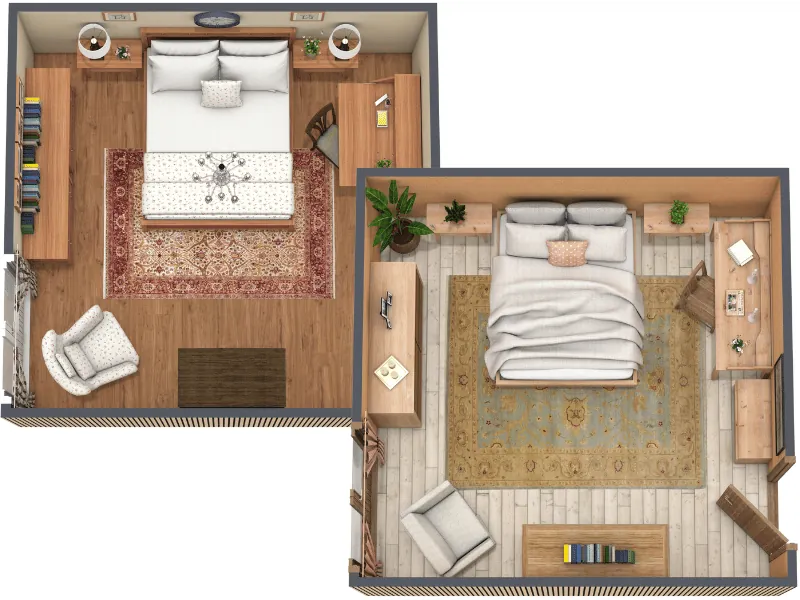
There isn’t one perfect feng shui bedroom color. Instead, consider how you want the room to feel.
For a calm bedroom, softer and more muted shades usually work well.
Earthy colors such as beige, sand, and soft terracotta can create a warm, grounded atmosphere.
Blues and greens can bring a calmer, fresher feeling to the room and are traditionally associated with the wood element in feng shui.
Soft pinks and muted reds can introduce warmth and are associated with the fire element, making them popular choices when you want the bedroom to feel a little more romantic.
Whites and grays can create a quieter, cleaner atmosphere.
You don’t have to limit yourself to pale colors throughout the entire room. If you love stronger shades, try using them in smaller amounts through artwork, cushions, throws, or other decorative details.
There Is No Perfect Feng Shui Bedroom Layout
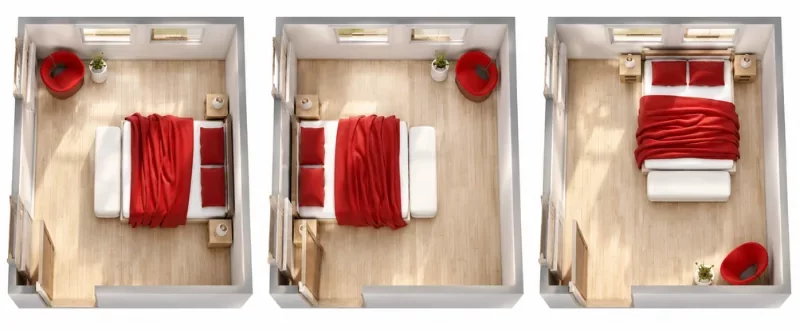
Bedrooms come in different shapes and sizes, so not every feng shui recommendation will work in every room.
You may have a window exactly where the headboard would ideally go. The door might limit your bed placement. Or your bedroom may simply be too small to follow every suggestion.
That’s okay.
Feng shui works best as a way of thinking about balance rather than as a checklist you have to complete.
Start with the biggest elements first:
- Find the best position for the bed
- Make sure you can move easily around the room
- Reduce clutter around where you sleep
- Adjust mirrors and electronics if they feel distracting
- Use color and decor to create the atmosphere you want
Often, there’s more than one layout that works.
Test Your Layout Before Moving Furniture
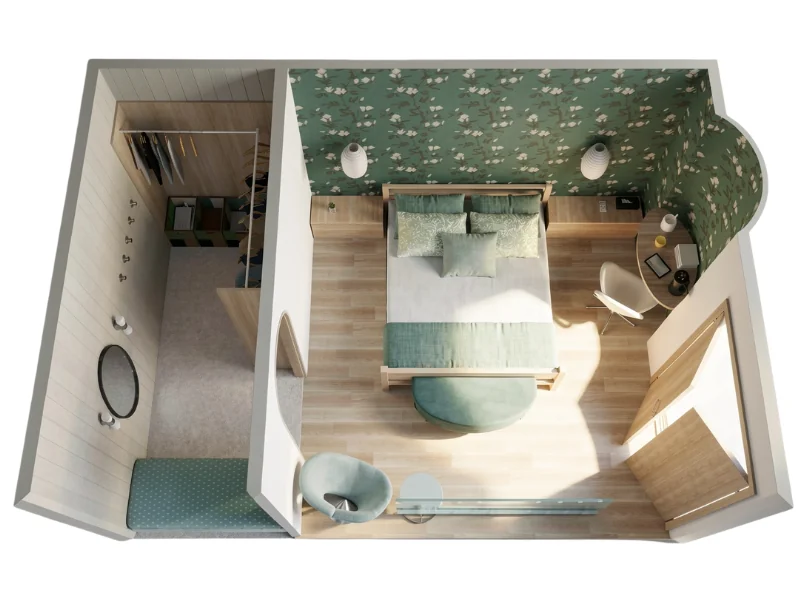
Create the layout of your bedroom in RoomSketcher, then experiment with different furniture arrangements to find what works best for your space.
Move the bed, try different furniture placements, and explore colors and materials without having to rearrange the real room. Once you’re happy with your design, use AI Render to see your bedroom in realistic detail, or walk through it in first person with Live 3D.
Learn More
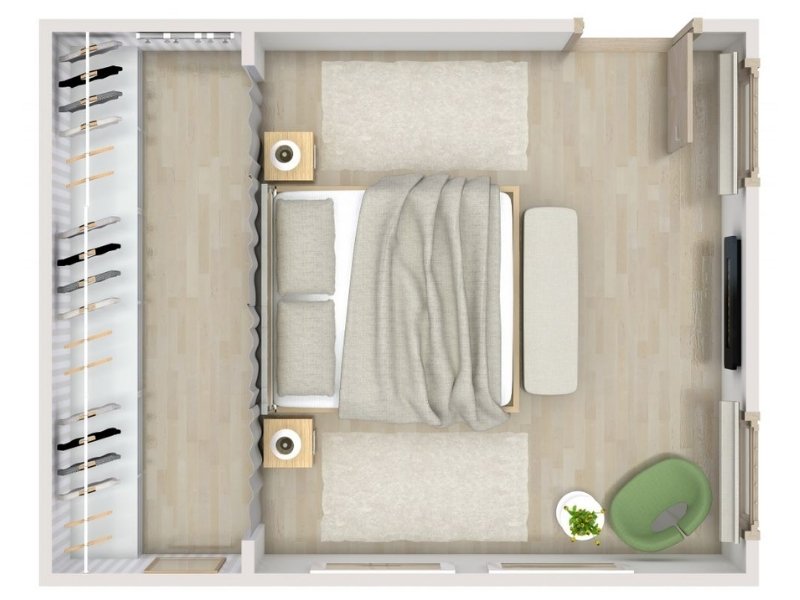
How to Plan the Perfect Primary Bedroom
The primary bedroom is often the largest and nicest bedroom in a house or apartment. The possibilities from there are virtually endless. A luxurious primary bedroom suite may include his and her walk-in closets, a sitting area, a fireplace, and access to the outdoors via either a balcony or a patio.
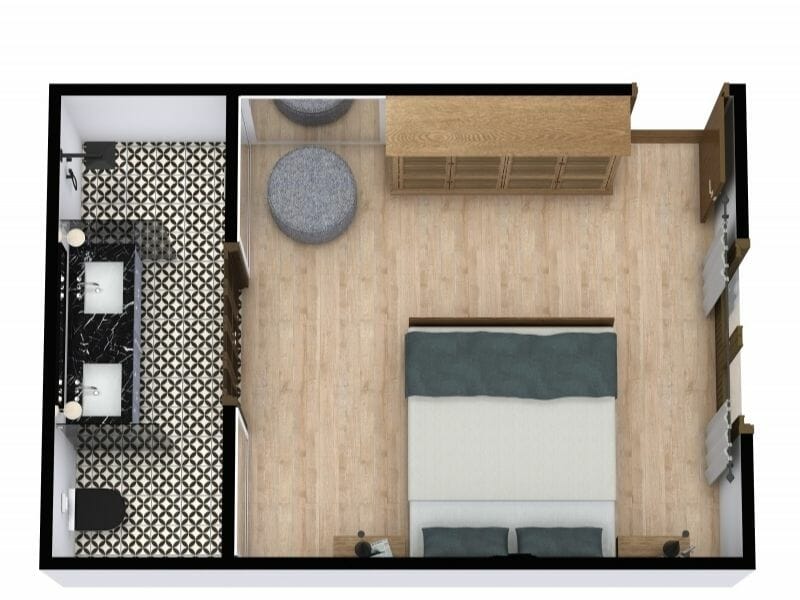
How to Design a Bedroom Layout: 8 Tips to Consider
Designing the best bedroom layout can be a bit of a puzzle and a bunch of fun if you know the right questions to ask.
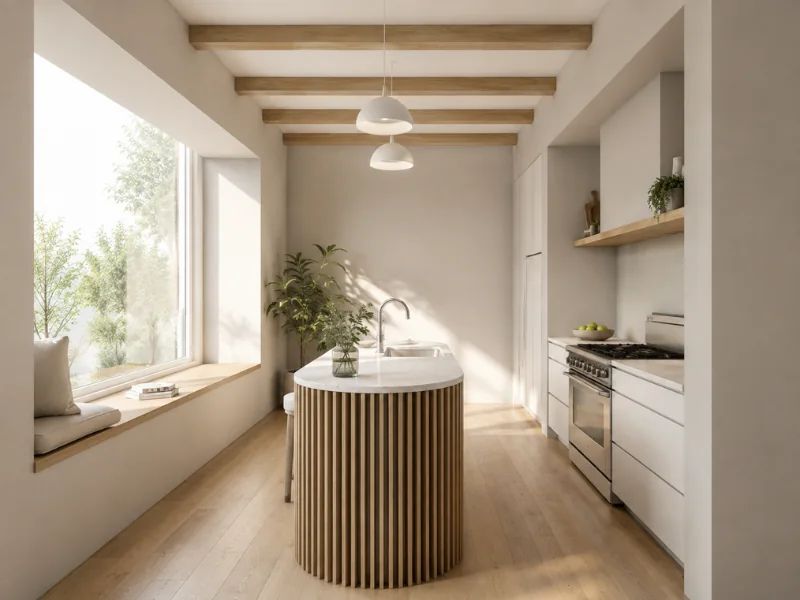
How to Create Photorealistic Floor Plan Visuals with AI
Want to see how your floor plan could look in real life? Learn how to prepare your layout, choose the right view, and use AI Render to create lifelike interior images and photorealistic 3D Floor Plans.