The Ultimate Guide to Interior Design Product Sourcing
Product sourcing is a critical aspect of interior design that can make or break the success of a project. Finding the right interior design products to complement a space can enhance its functionality, style, and overall appeal. Understanding how to source products effectively is crucial for any interior designer.


Quick summary:
Interior design product sourcing is the process of researching, identifying, and acquiring the furnishings, fixtures, materials, and accessories a project needs.
The process usually starts with establishing the client’s style and setting a realistic budget, including a buffer for unexpected costs. Products can then be sourced from online retailers, physical stores, vendors, or secondhand marketplaces, depending on the project.
Quality should be assessed by looking closely at materials and construction, while sustainability, maintenance, delivery times, and vendor relationships should also be considered.
This article will provide the ultimate guide to interior design product sourcing. We'll cover everything from defining your client’s style to negotiating prices with vendors, ensuring you're equipped with the knowledge and tools needed to source the perfect interior design products for your next interior design project.
Table of contents:
What is Interior Design Product Sourcing?
Interior design product sourcing is the process of researching, identifying, and acquiring furnishings, fixtures, materials, and accessories to be used in a specific interior design project.
Interior designers and decorators rely on interior design product sourcing to ensure that their design concept is realized and that the final result is visually appealing, functional and fits the client's needs.
What the sourcing process includes
Interior design product sourcing involves researching various manufacturers, distributors, and retailers to find the most suitable products, negotiating prices, and ensuring that the items are delivered on time and within budget.
Product sourcing is a critical aspect of interior design and requires a good understanding of design principles, product availability, and market trends.
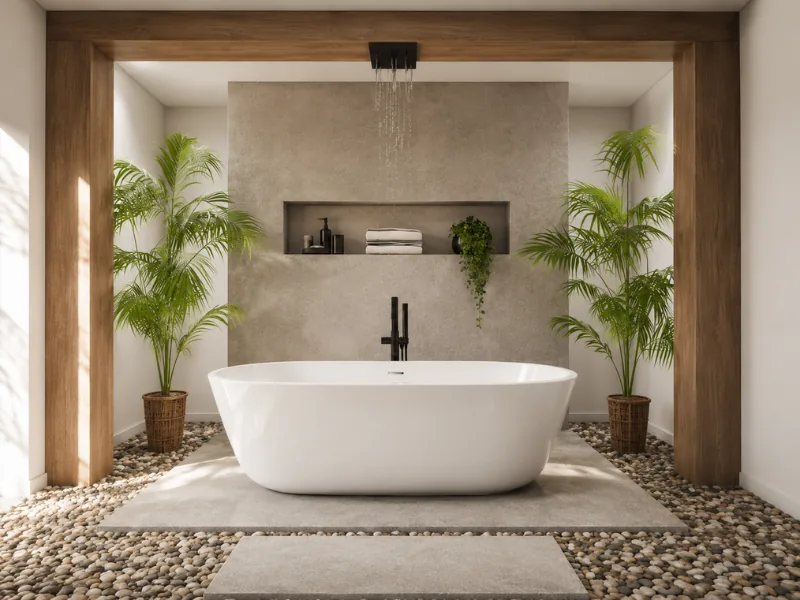
Determine the Interior Design Style for Your Client
Determining the best interior design style for your client is a crucial step in product sourcing.
Start with your client’s needs
As a designer, you need to work closely with your client to understand their tastes, preferences, lifestyle, and practical requirements.
Start by discussing the way they use the space. A family home, rental property, vacation home, and commercial interior may all require different materials, furniture, and finishes.
It can also help to explore different interior design styles, such as:
Understanding the characteristics of each style can help you identify the elements that best match your client’s goals.
Turn their preferences into a clear direction
Ask your client about their favorite colors, materials, textures, patterns, and furniture styles. Look at their existing decor and ask what they would like to keep, replace, or change.
Mood boards, reference images, and product examples can make these conversations more specific. They also help you spot patterns in the client’s preferences.
Your role is to help the client create a clear design direction that reflects their taste while also working within the budget and functional requirements of the project.

Set a Budget for Interior Design Products
Establishing a budget is an essential part of any interior design project.
Without a clear budget, it can be easy to overspend, underestimate costs, or choose products that are not realistic for the project.
Include the full cost of the project
The product budget should account for more than the listed price of furniture and accessories.
Depending on the project, additional costs may include:
- Delivery
- Installation
- Assembly
- Customization
- Taxes
- Storage
- Material samples
- Returns
- Professional services
- Labor
Including these costs from the beginning gives the client a more realistic understanding of the overall investment.
Research prices and leave room for surprises
To determine a suitable budget, start with the client’s design goals, the scope of the project, and the overall vision for the space.
Research prices for similar products, request quotes from vendors, and compare several options before making a recommendation.
It is also a good idea to leave a buffer for unexpected expenses. Products may increase in price, delivery costs can change, or an item may need to be replaced with a more expensive alternative.
Communicate the budget clearly with both the client and vendors. This helps prevent misunderstandings and makes it easier to keep the project on track.

Where to Source Interior Design Products
Interior designers can source products from many different places. The right option depends on the project, budget, timescale, and type of product required.
Shop online for choice and convenience
Online retailers provide access to a wide selection of products across different styles and price ranges.
They allow designers to compare products quickly, shop from multiple suppliers, and source items that may not be available locally.
Detailed product descriptions, dimensions, customer reviews, and material information can help with decision-making. However, colors and textures may look different on a screen, so samples can be useful before placing a large order.
Visit stores to see products in person
Brick-and-mortar stores allow you to see, touch, and test products before buying.
This can be particularly useful for upholstered furniture, flooring, fabrics, lighting, and materials where texture, comfort, color, or scale matters.
Store staff may also be able to provide advice about product care, availability, customization, and delivery.

Work with trade vendors and showrooms
Trade vendors and specialist showrooms can give interior designers access to products, materials, and brands that may not be available through general retailers.
These suppliers may offer:
- Trade pricing
- Product samples
- Custom options
- Specialist advice
- Dedicated account contacts
- Early access to new collections
Working with specialist vendors can be particularly valuable for larger or more complex projects.
Look for unique secondhand finds
Secondhand marketplaces, thrift stores, antique shops, garage sales, and online platforms can be useful sources of distinctive and affordable pieces.
Secondhand items can add character and personality to a space, especially when the project calls for vintage, eclectic, or one-of-a-kind elements.
However, sourcing secondhand products usually takes more time. You may also need to check the condition carefully and account for cleaning, repairs, reupholstery, or refinishing.
Use a mix of sourcing channels
Most interior design projects benefit from using a combination of sources.
For example, you might purchase a sofa from a specialist retailer, source lighting from a trade vendor, find an antique table locally, and order accessories online.
Using several sourcing channels can help you balance budget, quality, availability, and design character.
Assessing Quality of Interior Design Products
Quality is an important consideration when selecting furniture, fixtures, materials, and accessories.
The right product should be visually suitable, functional, and durable enough for the way it will be used.
Look closely at materials and construction
Start by examining the materials used.
Natural wood, leather, stone, and high-quality fabrics are often durable, but the quality can still vary significantly. Synthetic and composite materials can also perform well when they are suited to the intended use.
Look closely at how the product is constructed. Signs of good craftsmanship may include:
- Tight seams
- Even stitching
- Sturdy hardware
- Smooth drawers and doors
- Stable joints
- Consistent finishes
- Solid frames
- Secure fastenings
Warning signs can include loose seams, weak joints, uneven finishes, unstable frames, and flimsy hardware.
Match the quality to the intended use
A product used every day needs to withstand more wear than an occasional or decorative item.
For example, seating in a busy family living room should be easy to maintain and durable. Furniture used in a guest room may not require the same level of performance.
Commercial interiors may also need products that meet specific standards for durability, safety, accessibility, or fire resistance.
Balance quality with cost
High-quality products often cost more initially, but they may last longer and require fewer repairs or replacements.
However, the most expensive option is not automatically the best one. Consider how long the product needs to last, how often it will be used, and whether the quality is appropriate for the client’s budget.
By assessing quality carefully, designers can select products that meet both the functional and aesthetic needs of the project.

Understanding Materials
Understanding materials is essential when evaluating product quality and deciding whether an item is suitable for a project.
Compare natural and synthetic materials
Common natural materials used in interior design include:
- Wood
- Stone
- Leather
- Wool
- Cotton
- Linen
- Rattan
Synthetic and manufactured materials include:
- Plastic
- Polyester
- Acrylic
- Laminate
- Vinyl
- Engineered wood
- Composite stone
Each material has its own appearance, performance, maintenance needs, and price point.
Consider cost, appearance, and maintenance
Natural materials like wood and stone can add warmth, texture, and character to a space. They are often durable, but they may cost more and require regular care.
Synthetic materials can be more affordable, lightweight, or easier to maintain. Some are designed to resist stains, moisture, fading, or heavy wear.
The right choice depends on where the material will be used. Consider:
- Durability
- Maintenance
- Moisture resistance
- Stain resistance
- Comfort
- Colorfastness
- Cost
- Environmental impact
A material that works well in a formal living room may not be suitable for a busy kitchen, bathroom, or commercial space.
Request samples before making a decision
Samples allow you and your client to examine colors, textures, and finishes under the actual lighting conditions of the room.
Compare samples with the flooring, wall colors, furniture, and other materials already selected for the project.
It is also helpful to view samples at different times of day, as natural and artificial light can change how a material looks.

Visualize Products and Finishes in 3D
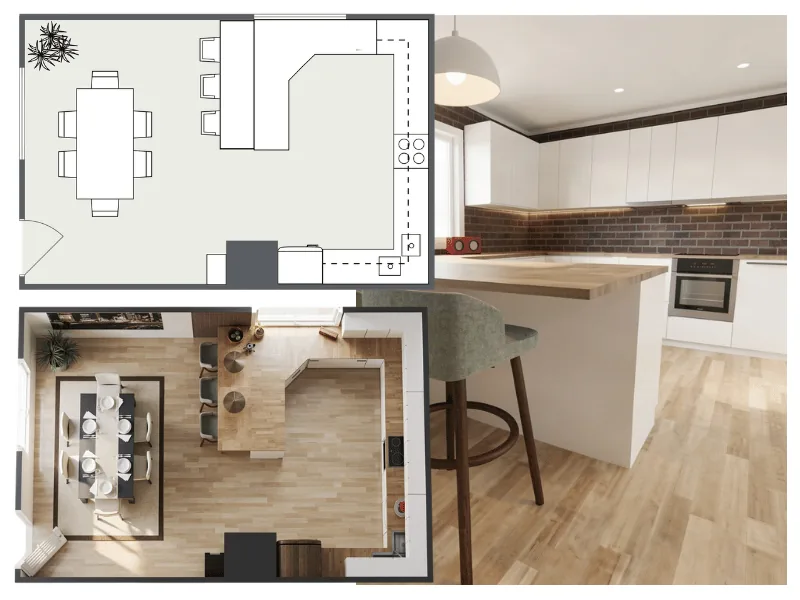
RoomSketcher allows you to visualize different finishes, fixtures, and furniture options in 3D.
Create a floor plan of the design project, then add fixtures, finishes, and furniture from the RoomSketcher furniture library.
You can experiment with different layouts, colors, materials, and product combinations before presenting the design to your client.
View the room in 3D to see how the products work together and how individual selections relate to the size and layout of the space.
This can make it easier to compare alternatives, communicate ideas, and identify potential issues before products are ordered.
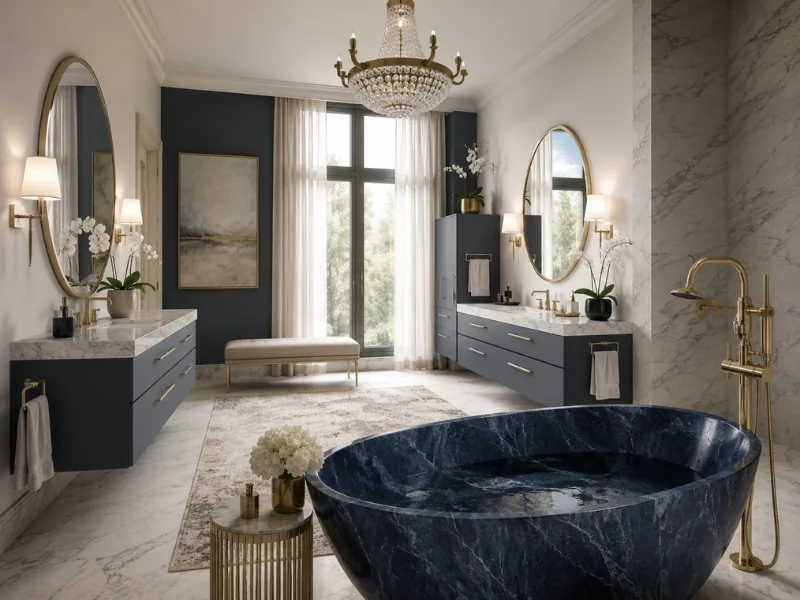
Sustainable Sourcing
Sustainable sourcing has become an increasingly important consideration in interior design.
It involves looking beyond the appearance and price of a product to consider the environmental and social impact of its materials, production, transport, and lifespan.
Choose More Sustainable Materials
Look for products made from materials such as:
- Recycled materials
- Reclaimed wood
- Upcycled materials
- Organic cotton
- Recycled fabrics
- Rapidly renewable materials
- Responsibly harvested wood
Durability is also an important part of sustainability. A product that lasts for many years may have a lower long-term impact than one that needs to be replaced frequently.
Consider production, packaging, and transport
Think about the amount of energy and water used to manufacture the product, as well as the packaging and transport needed to deliver it.
Products made locally may require less transportation, although location is only one part of the overall environmental impact.
Look for trusted certifications
Certifications can help designers and clients understand how products and materials have been produced.
Examples include the Forest Stewardship Council for responsibly managed forest products and the Global Organic Textile Standard for qualifying organic textiles.
Always check what a certification covers rather than assuming that it applies to every part of the product.
By including sustainability in the sourcing process, designers can help reduce environmental impact and support more responsible practices.

Building Relationships with Vendors
Strong vendor relationships can make interior design product sourcing more efficient and reliable.
Trusted vendors can help designers access suitable products, understand availability, resolve problems, and keep projects moving.
Communicate clearly and consistently
Be clear about what you need from the beginning.
Provide vendors with accurate information about:
- Product specifications
- Quantities
- Measurements
- Colors and finishes
- Delivery dates
- Installation requirements
- Budget constraints
Regular communication helps you stay informed about new products, pricing changes, lead times, and possible delays.
It also helps vendors understand your design style, project requirements, and preferred way of working.
Become a reliable client
Good vendor relationships work both ways.
Honor commitments, respond to questions promptly, pay invoices on time, and provide accurate project information.
Show appreciation when a vendor provides useful advice, solves a problem, or helps meet a difficult deadline.
Build a trusted vendor network
Over time, you can develop a network of suppliers for different types of projects and products.
A reliable vendor network gives you more options and makes it easier to find suitable products for future projects.

Try RoomSketcher 3D Home Design Software
Successful product sourcing requires research, patience, attention to detail, and clear communication.
With RoomSketcher, you can present your design ideas using high-quality Floor Plans and 3D Photos. Show clients how furniture, paint colors, flooring, fixtures, and other product selections will work together before anything is ordered.
You can also use Live 3D to explore the room from different angles and help clients understand how the finished design could look and feel.
Recommended Reads

How to Offer E-Design Services as an Interior Designer
See how this savvy interior designer successfully provides e-design services and interior design online with RoomSketcher.
9 Interior Design Marketing Strategies That Work
Get your interior design marketing online with easy-to-use and affordable 3D visualization from RoomSketcher - It’s time to Get Noticed!

How to Visualize a Room Using an Interior Design Visualizer
Bring your interior design ideas to life with RoomSketcher. Create room designs, floor plans, and visualize your ideas in stunning 3D.